
I am Arafat Khan, a Rohingya photographer, visual storyteller, community educator, charity worker, field reporter and researcher based in the refugee camps of Cox’s Bazar, Bangladesh.
I am a Rohingya photographer and visual storyteller from Maungdaw Township in northern Rakhine State, Myanmar.
I grew up connected to my community, culture and homeland. In 2017, I was forced to flee Myanmar and came to Bangladesh with thousands of other Rohingya people seeking safety.
Today, I live in the refugee camps of Cox’s Bazar, where I work across photography, storytelling, education, research, community outreach and humanitarian activities.
My work is rooted in the community I belong to. I document not only displacement and hardship, but also culture, education, family life, faith, resilience, creativity and hope.
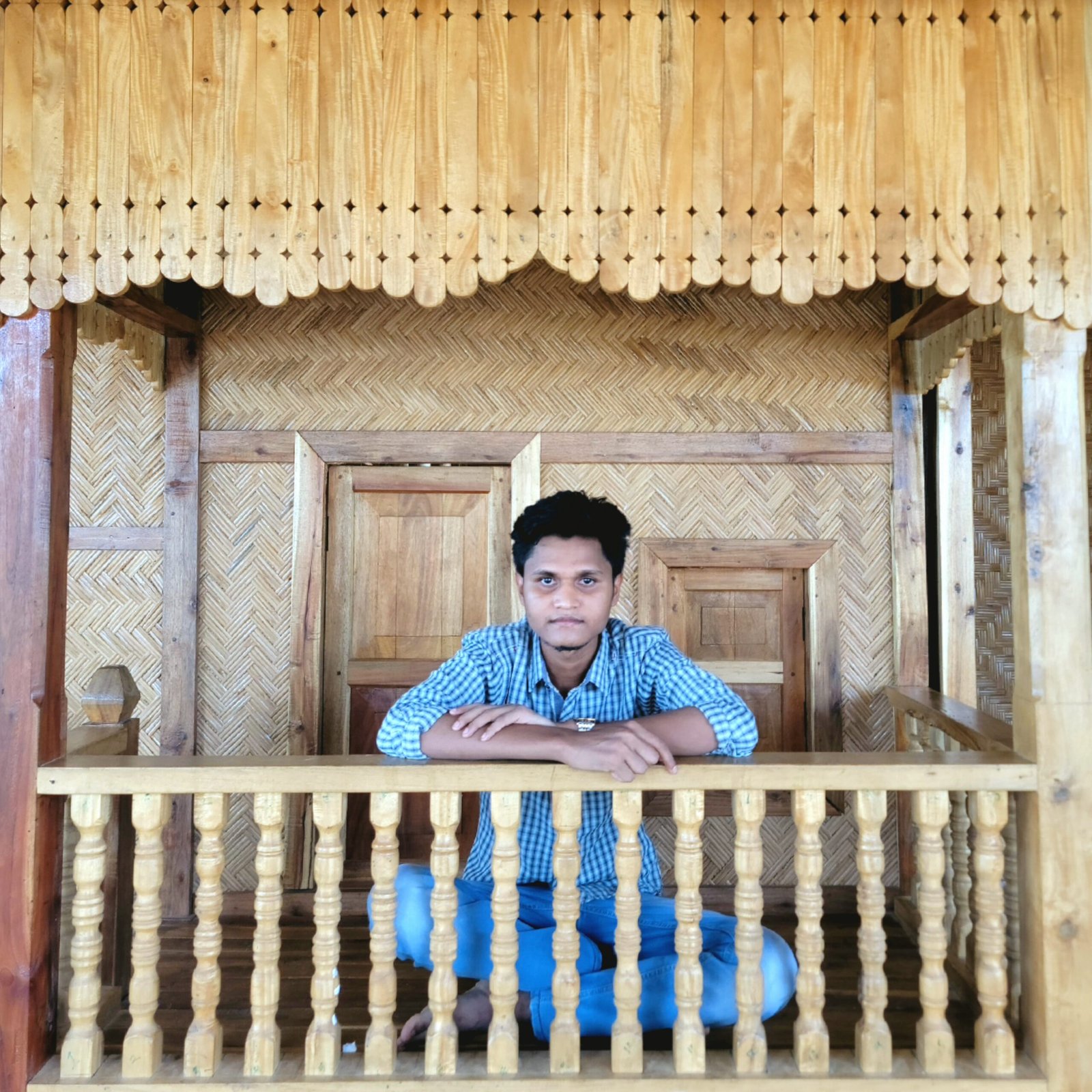
I was born in Maungdaw Township in northern Rakhine State, Myanmar.
My childhood was shaped by village life, family, education and a strong connection to the Rohingya community. My family depended on farming and small businesses, like many families around us.
Growing up as a Rohingya meant living with restrictions and unequal access to education, healthcare and freedom of movement. Yet Myanmar was home. It was where my childhood memories, friendships, school years and family history were formed.
Those memories remain an important part of who I am today.
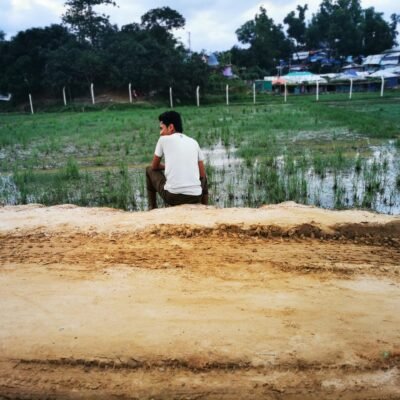
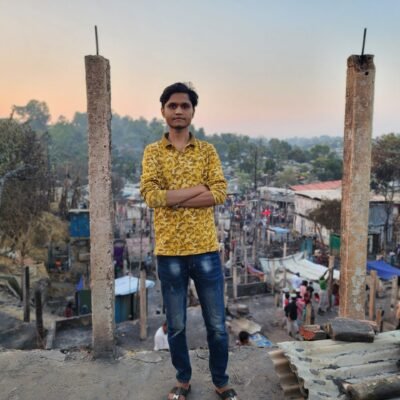
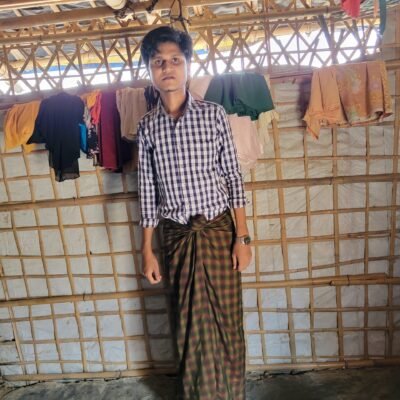
I was born in 2000 in Maungdaw Township, northern Rakhine State, Myanmar, and grew up in the Rohingya community.
I completed my higher secondary education at Kyein Chaung High School in 2015. In 2017, I was forced to flee Myanmar and arrived in Bangladesh after a difficult journey.
In 2018, I began photography and visual storytelling with a basic smartphone, learning through practice, mentors and online resources.
In 2023, I joined Rohingyatographer, working alongside Rohingya photographers, artists, journalists and storytellers. Today, I continue working in education, community outreach, research, photography, storytelling, field reporting and humanitarian activities.
The refugee camps of Cox’s Bazar are more than a place where people live after displacement. They are communities where families raise children, students learn, people work, traditions continue and people try to build lives despite difficult circumstances.
Living here gives me a perspective that comes from within the community.
Through my work, I document both the challenges and the everyday moments that are often missing from headlines.
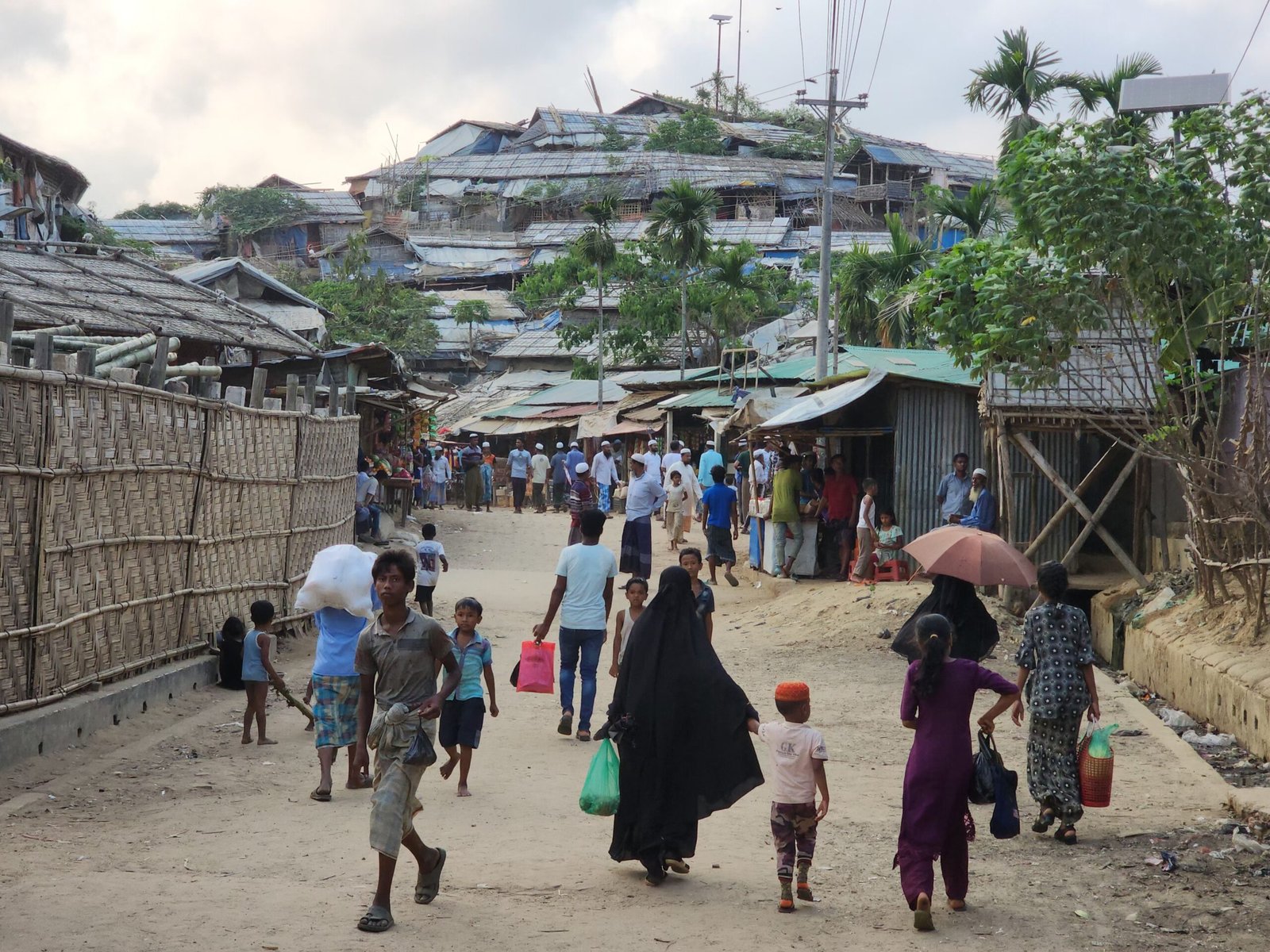
Daily routines, family life, work, community activities and ordinary moments.
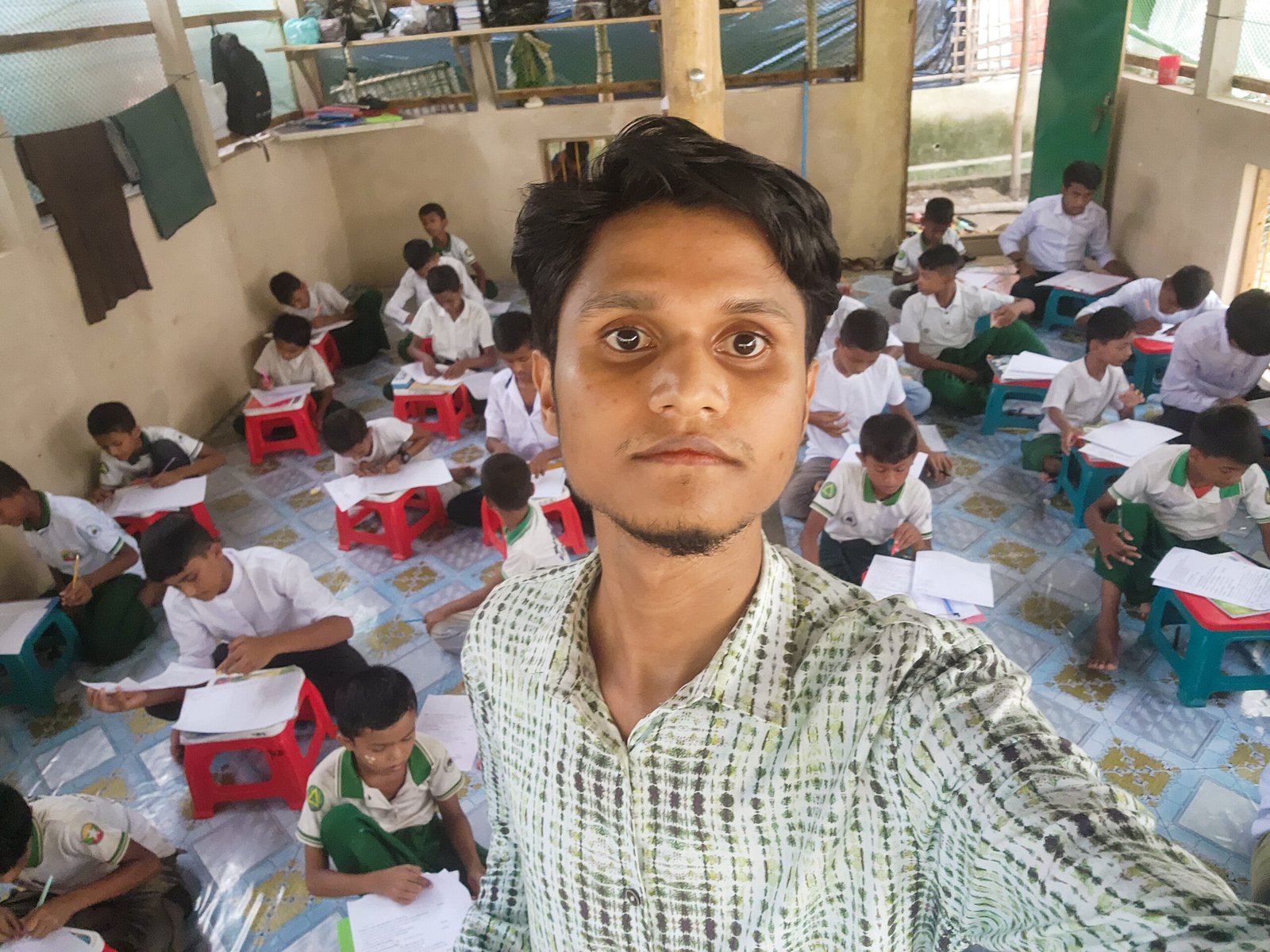
Students, teachers, learning spaces and the hopes of Rohingya children and young people.
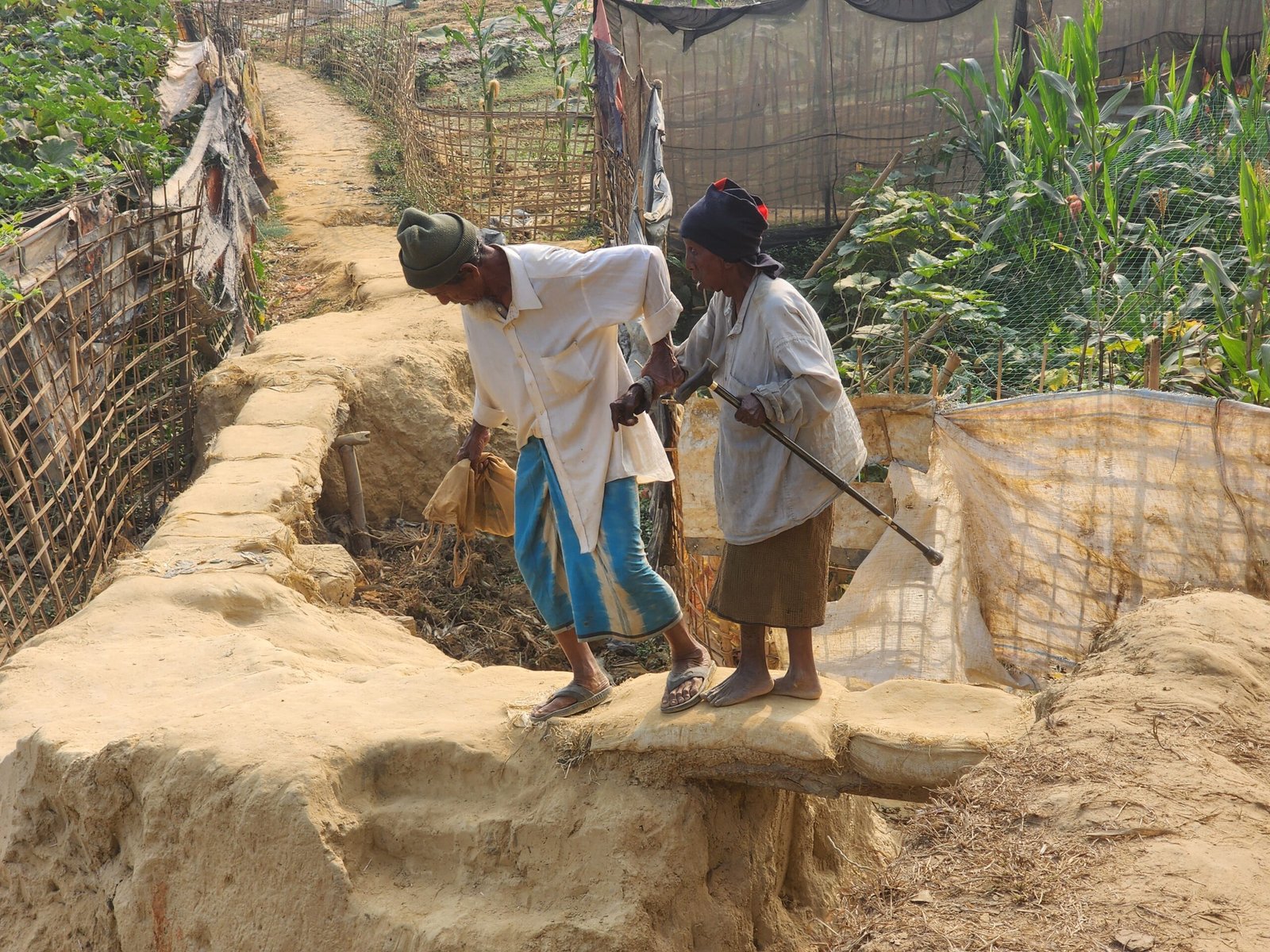
The lives of families, women, older people and community members.
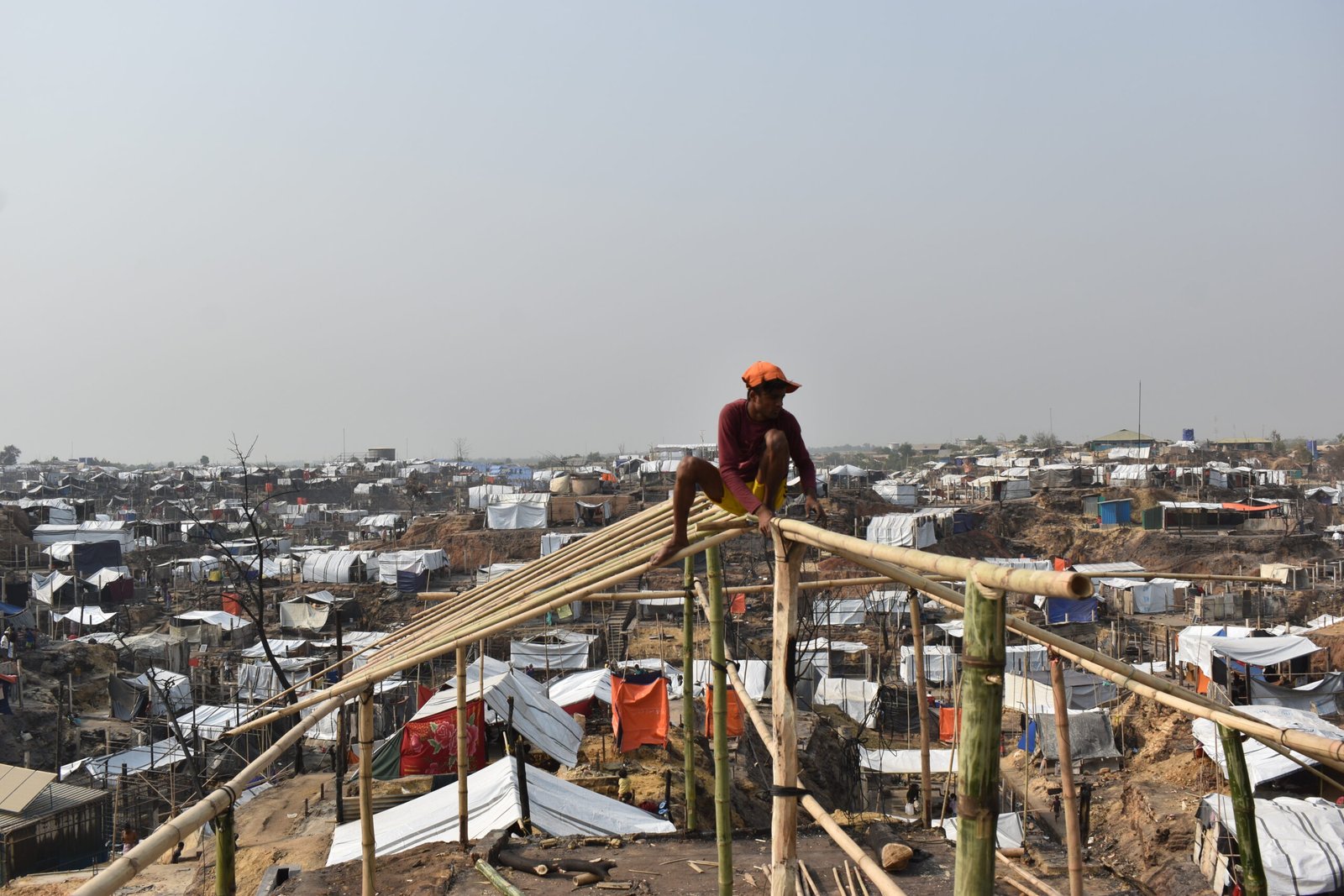
Stories of displacement, loss, memories of home and the continuing connection to Myanmar.
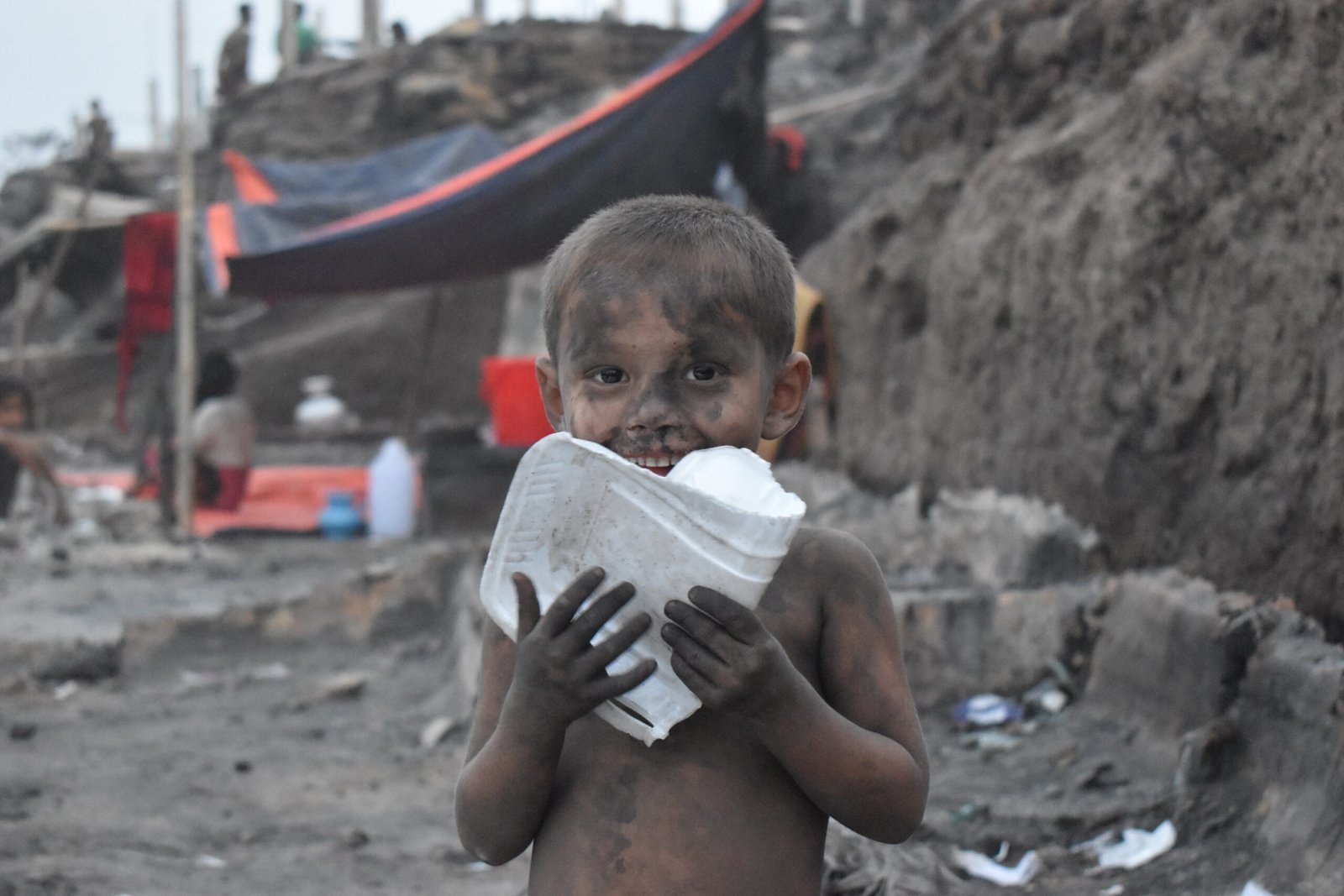
Shelter, food insecurity, humanitarian assistance, health, sanitation and other challenges.
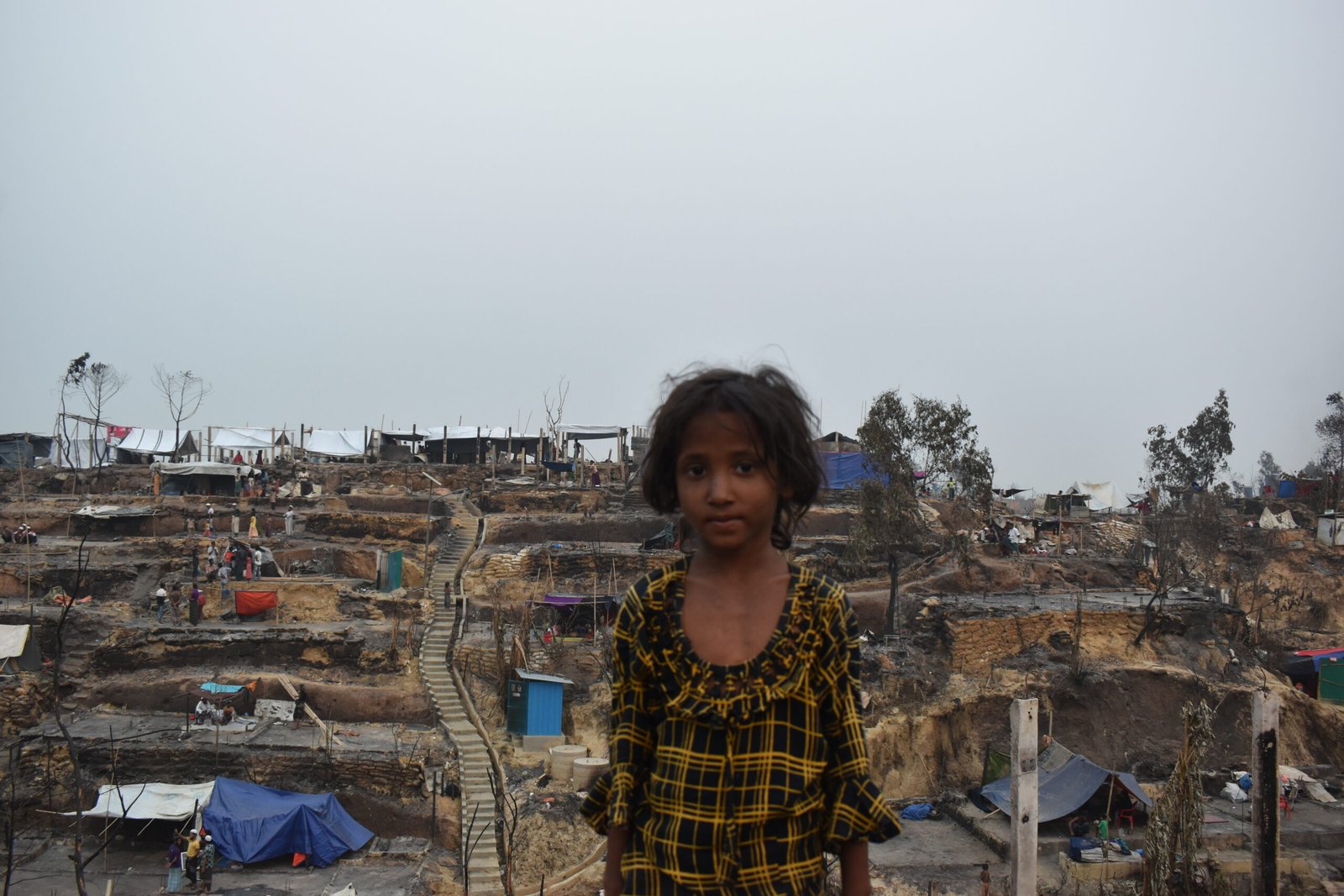
The effects of fires, floods, heavy rain, landslides and other emergencies in the camps.
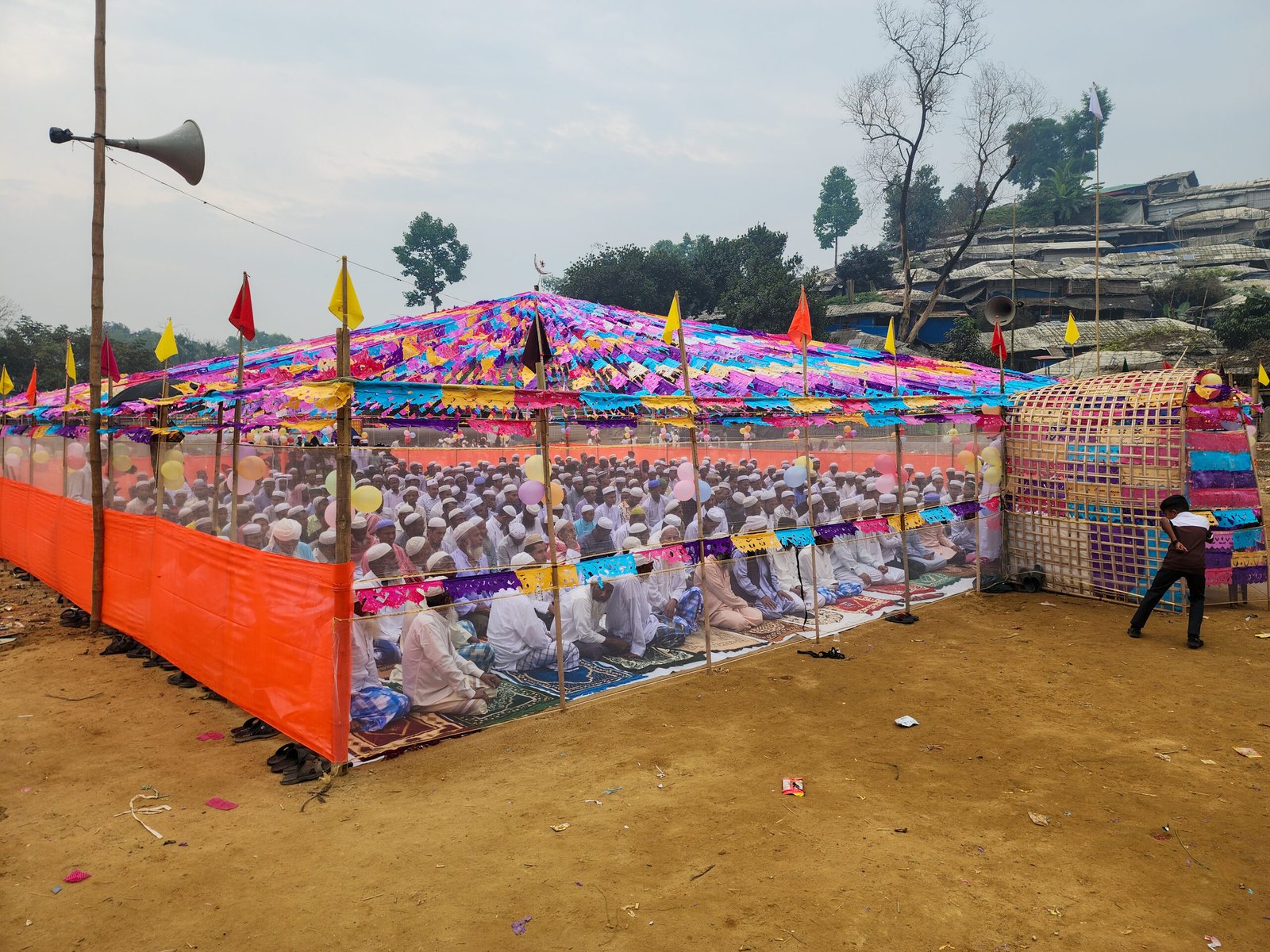
Rohingya traditions, religious occasions, cultural practices and community gatherings.
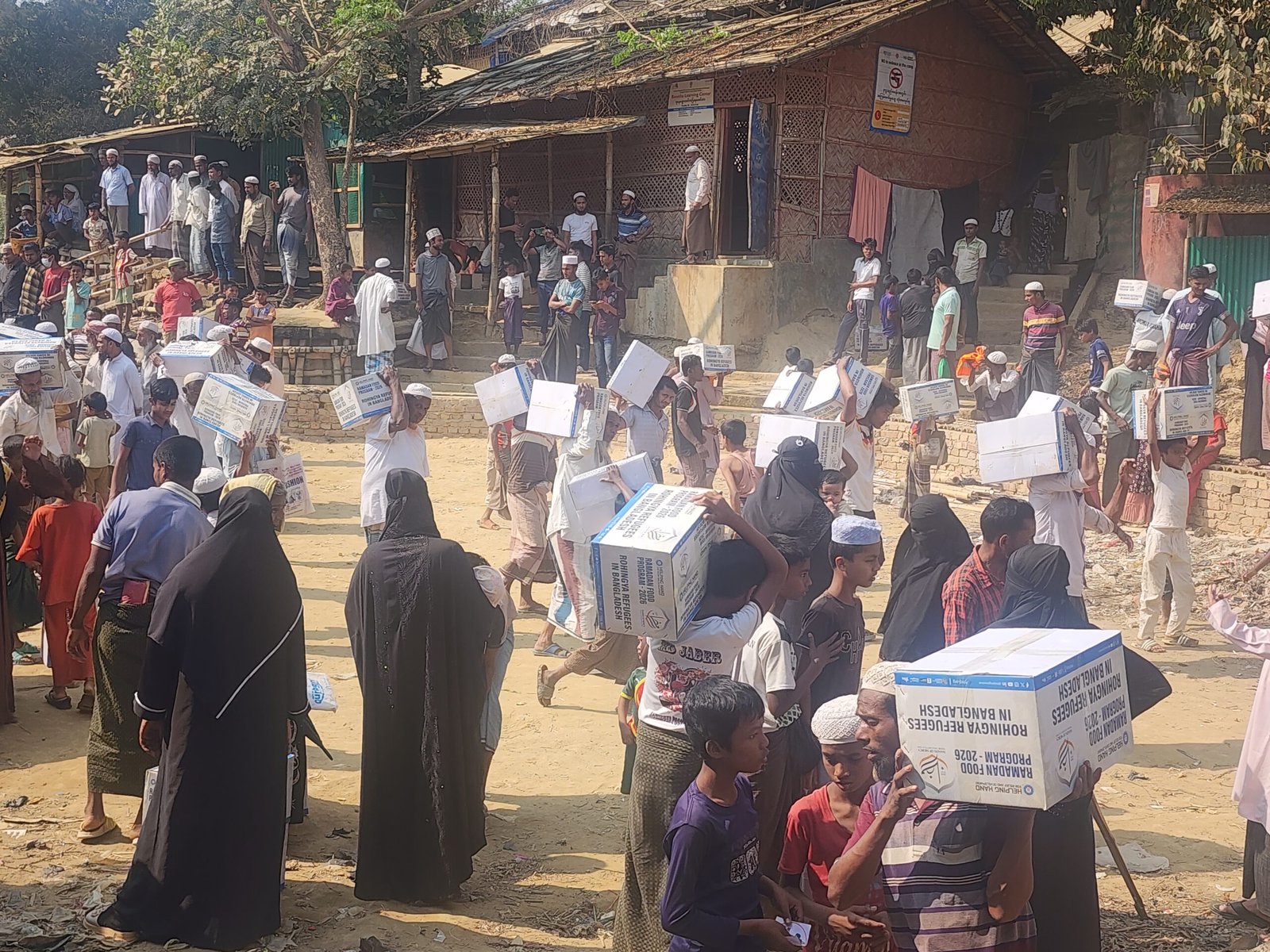
People working to support their communities and respond to humanitarian needs.
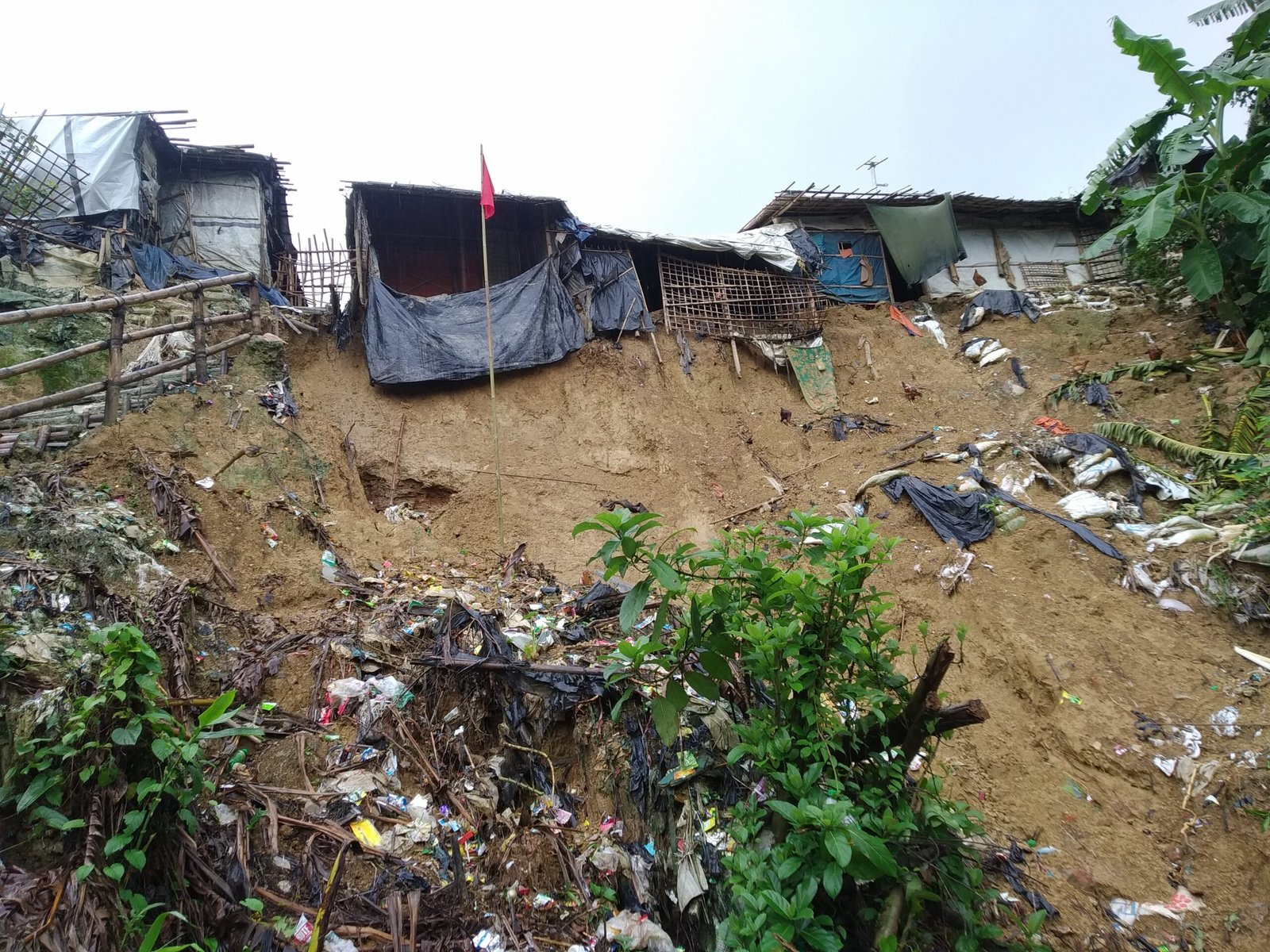
Environmental challenges and their effects on refugee communities.
Photography became a language through which I could communicate experiences that are sometimes difficult to explain with words.
I do not photograph only moments of suffering. I also document dignity, culture, family, education, faith, creativity, resilience and everyday life.
Every photograph is an opportunity to preserve a moment and contribute to a larger record of Rohingya life.
Numbers help explain the scale of a humanitarian crisis, but they cannot tell the whole story.
Behind every statistic is a person, a family, a memory, a dream and a life.
Through photography and storytelling, I try to show the people behind the numbers. I want people to see Rohingya communities not only through displacement and suffering, but also through their identities, abilities, relationships, culture and hopes for the future.
Rohingya people are more than the label of “refugees.”
We have a history, culture, language, traditions, talents, families and dreams.
Within our community are students, teachers, artists, workers, parents, photographers, researchers, storytellers and young people building their futures despite difficult circumstances.
Photography gives me an opportunity to challenge stereotypes and share a more complete picture of Rohingya life.
I want my work to contribute to conversations about safety, education, justice, equal rights and dignity.
Photography is only one part of my work.
I have worked in education, humanitarian services, community outreach, research, translation, interpretation and documentation.
These experiences have helped me understand the community from different perspectives and have strengthened my ability to connect people, information and ideas.
Today, my work combines visual storytelling with education, research and community engagement.
In 2023, I joined Rohingyatographer, a platform created by Rohingya refugees in Bangladesh to share photography, stories and creative work.
Working with other photographers, artists, journalists and storytellers has helped me develop my visual storytelling while contributing to a wider effort to document Rohingya life.
“Photography is not only about taking pictures. It is about documenting people with dignity and giving space to stories that deserve to be seen.”
I believe visual storytelling can help people understand experiences beyond headlines and statistics.
Whether through photography, education, research or community work, I continue documenting the experiences and stories of Rohingya people.
Stories worth seeing and remembering.
No posts were found for provided query parameters.