
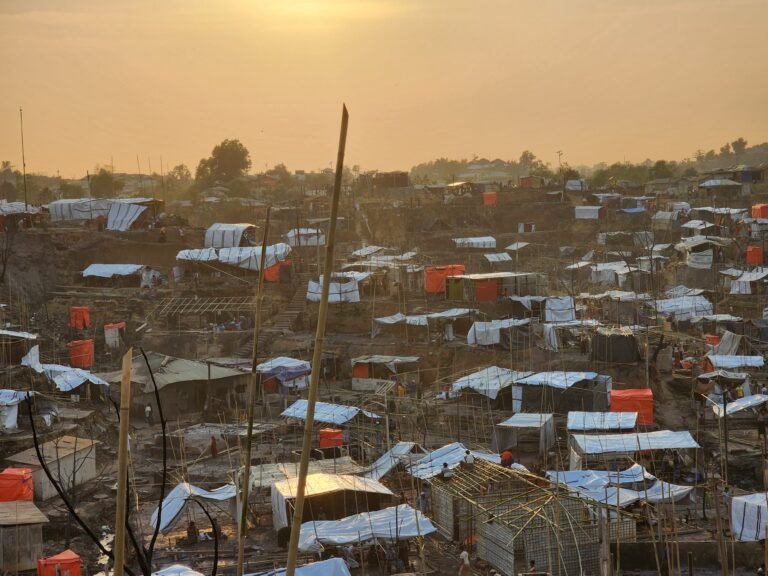
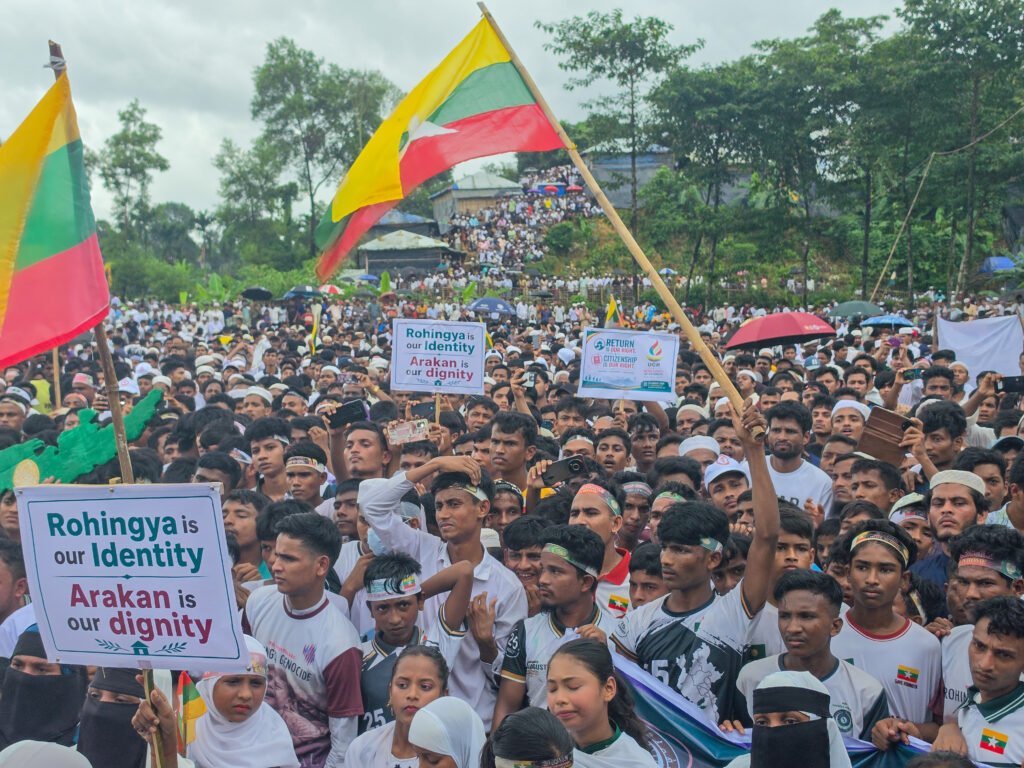
The Rohingya have faced decades of persecution, discrimination, displacement and restrictions in Myanmar. The crisis has forced hundreds of thousands of people to leave their homes and seek safety, while many others continue to live with insecurity and uncertainty.
As a Rohingya who experienced displacement and now lives in a refugee camp in Bangladesh, I see this crisis not only through statistics and headlines, but through the lives of families, children, communities and individuals around me.
The Rohingya are a Muslim ethnic minority from Rakhine State in Myanmar. For decades, Rohingya communities have faced restrictions on citizenship, freedom of movement, education, livelihoods and access to essential services.
Periods of violence and persecution have repeatedly forced Rohingya people to leave their homes. The mass displacement of 2017 created one of the world's largest refugee crises and brought more than 750,000 Rohingya to Bangladesh.
The crisis has continued in the years since, with renewed conflict and violence in Rakhine State causing further displacement.
In August 2017, more than 750,000 Rohingya fled Myanmar for Bangladesh following a violent military crackdown in Rakhine State. Many people arrived after dangerous journeys by foot, through forests and across rivers and borders, leaving behind their homes, villages and communities.
Families were separated, homes and livelihoods were lost, and many people experienced violence and severe human rights abuses. Those who reached Bangladesh joined earlier Rohingya refugee populations who had fled Myanmar during previous periods of persecution.
The events of 2017 changed the lives of an entire generation and created a humanitarian crisis that continues today.
Violence and conflict in Rakhine State have continued to affect Rohingya communities. As the conflict intensified in recent years, thousands of Rohingya were again forced to leave their homes and seek safety in Bangladesh.
UNHCR reported in July 2025 that around 150,000 Rohingya had arrived in Cox's Bazar over the previous 18 months, making this the largest movement of Rohingya from Myanmar to Bangladesh since 2017.
For newly displaced families, the experience of leaving home has brought many of the same challenges faced by earlier arrivals: separation from loved ones, loss of homes and livelihoods, insecurity and uncertainty about the future.
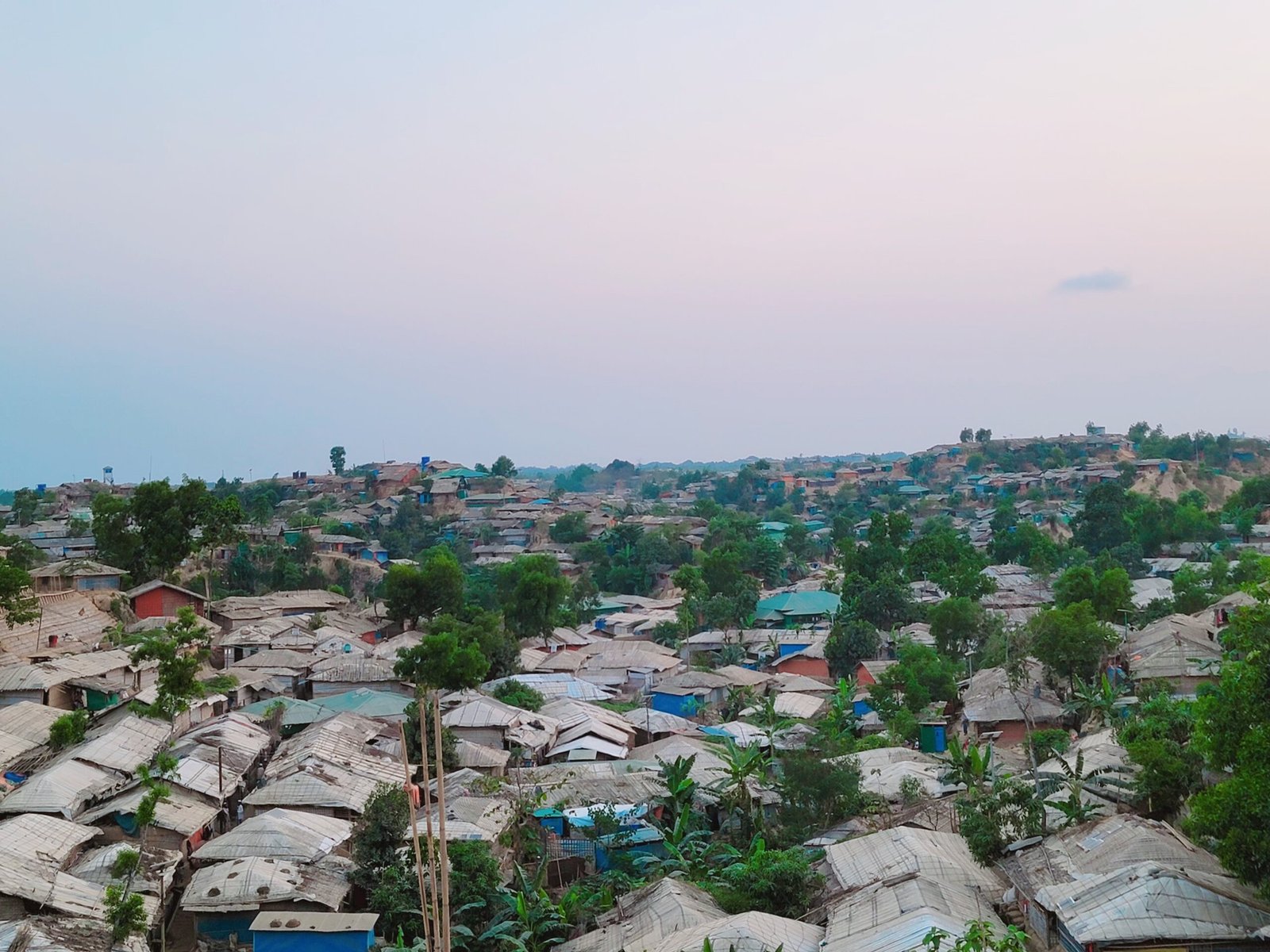
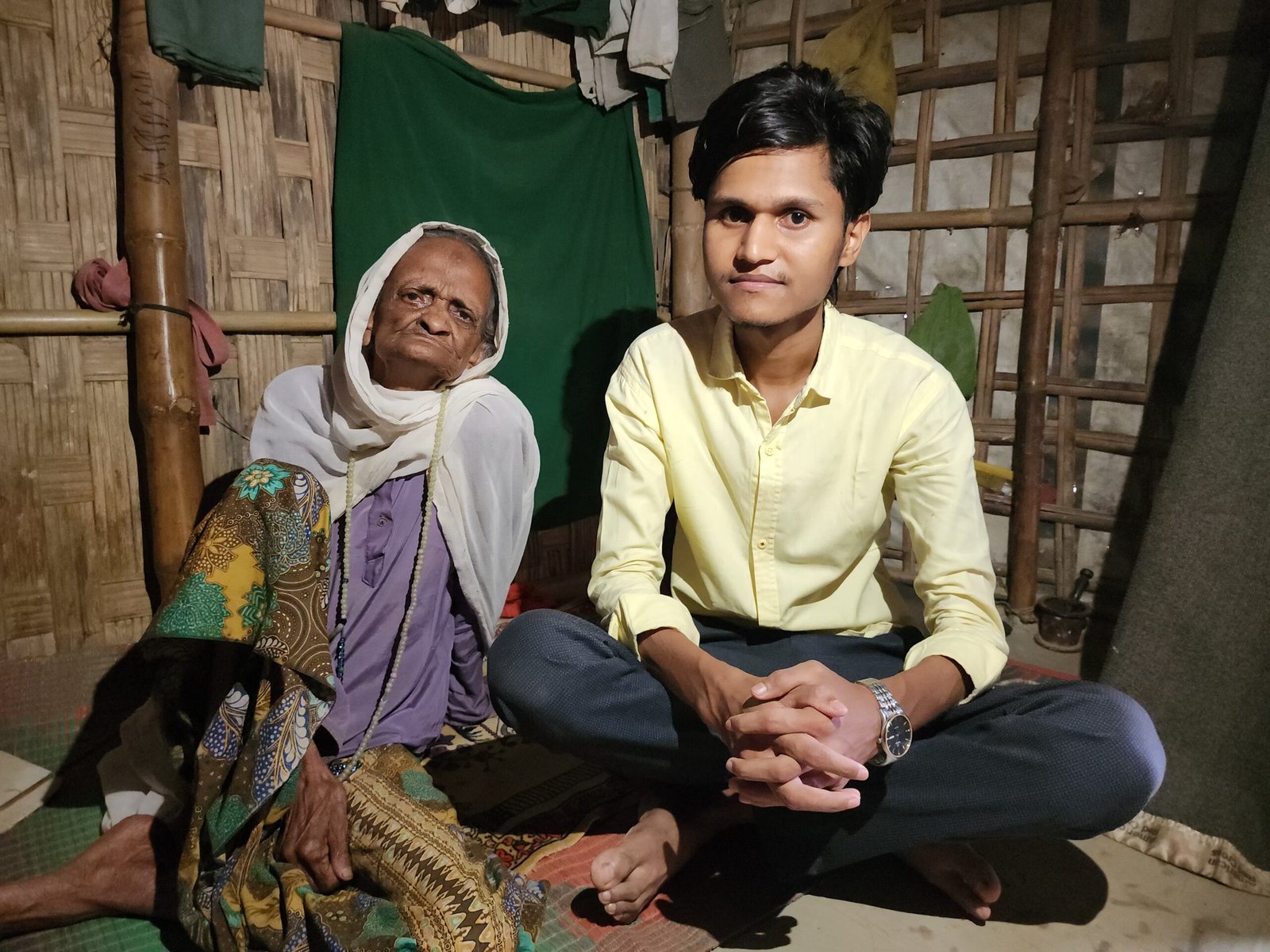
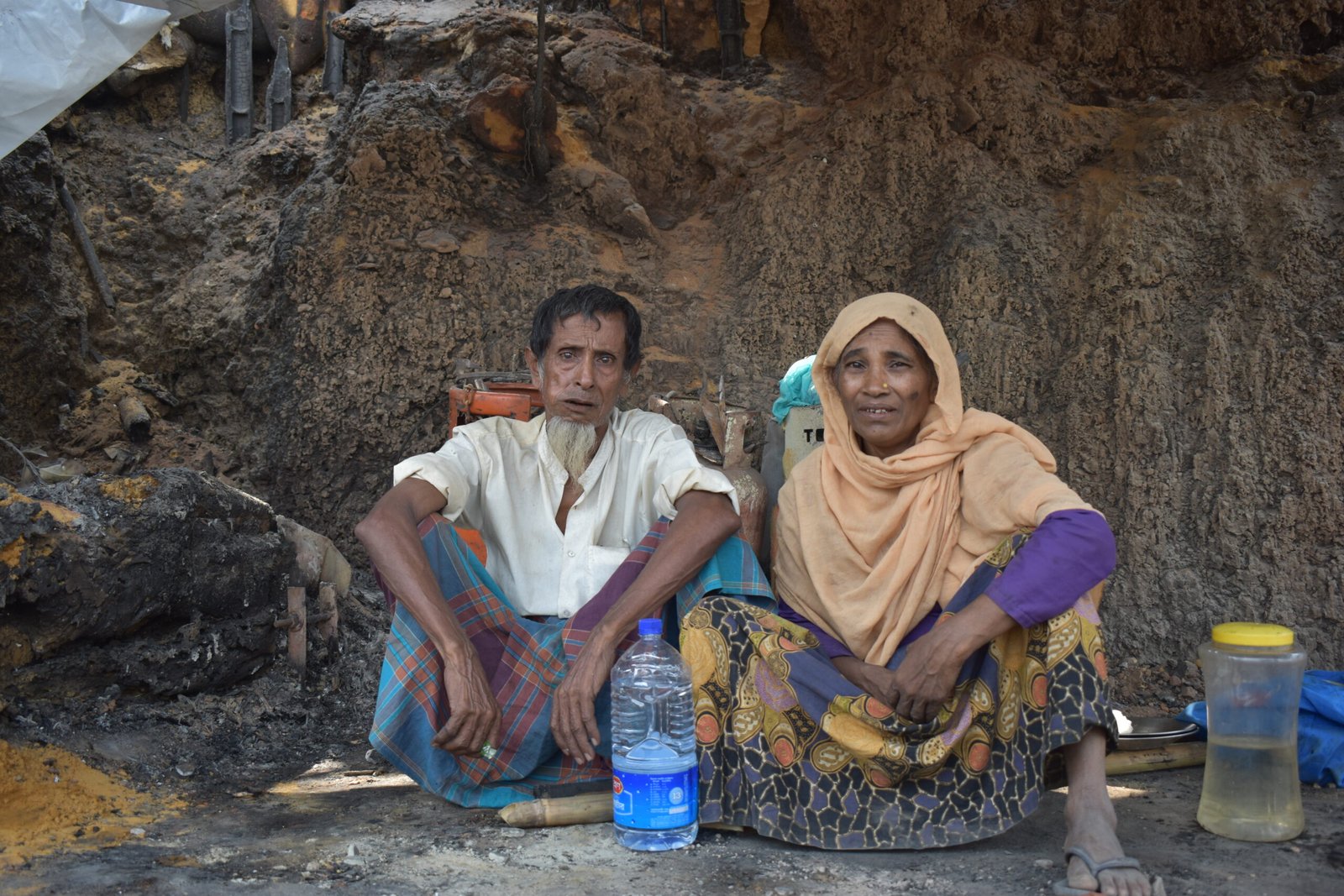
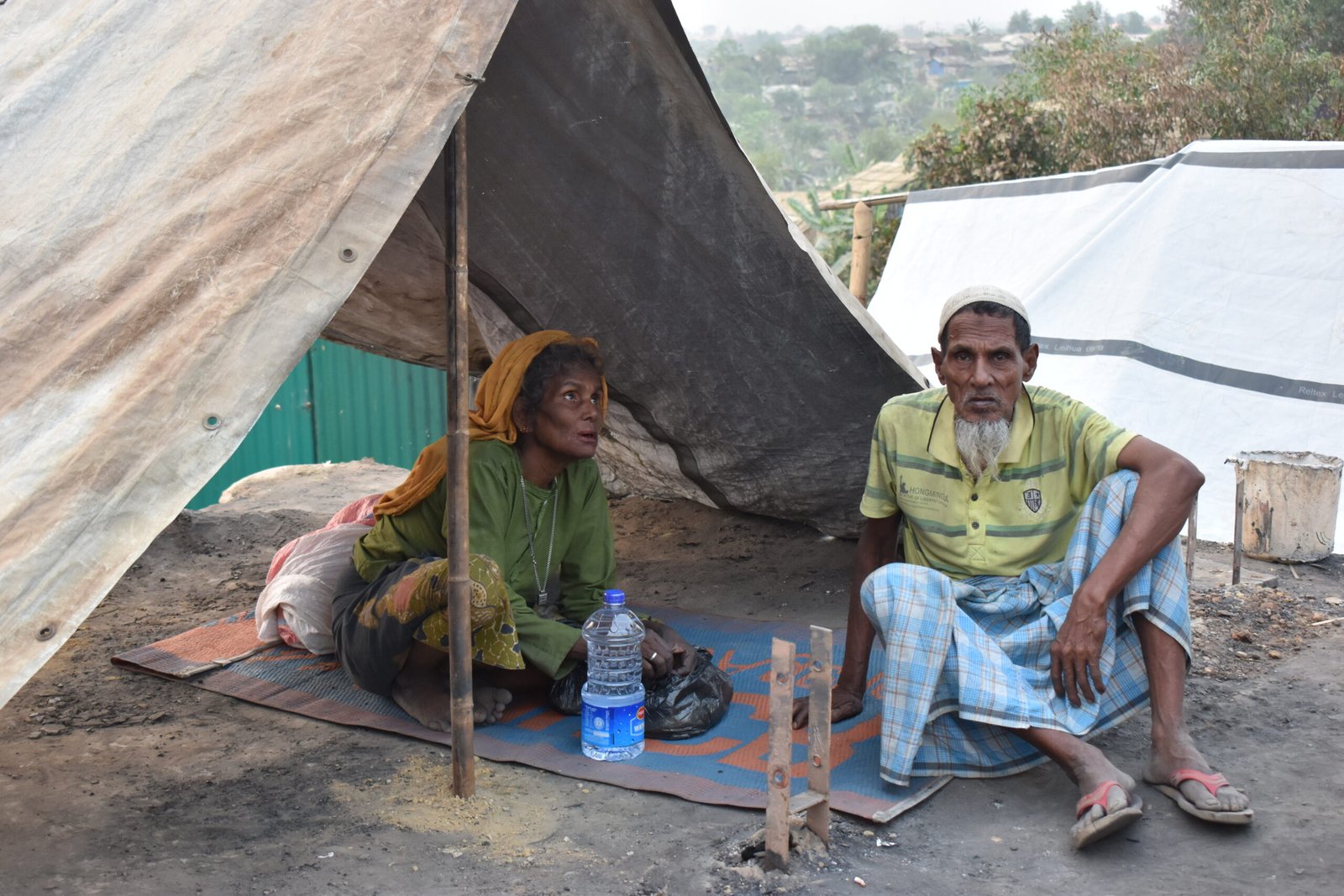
Bangladesh currently hosts more than 1.2 million Rohingya refugees. The majority live in highly congested refugee camps in Cox's Bazar, while others live on Bhasan Char.
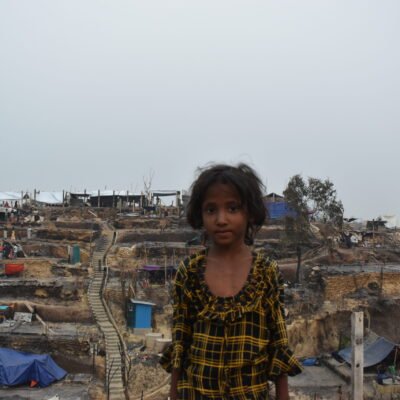
The camps provide protection from the immediate violence many people experienced in Myanmar, but life in displacement remains difficult. Families live in temporary shelters with limited space and depend heavily on humanitarian assistance for many essential needs.
Humanitarian organizations provide support including food, healthcare, water and sanitation, shelter, protection and education. However, growing needs and funding shortages continue to place pressure on these services.
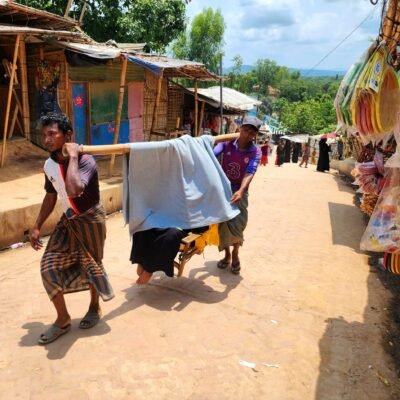
Life in the camps is more than humanitarian statistics. It includes families spending time together, children going to school, people working, communities gathering, religious practices, cultural traditions and young people dreaming about their futures.
At the same time, families face overcrowded conditions, limited opportunities, humanitarian needs and uncertainty.
I document these different sides of camp life because the story of the Rohingya should include both the challenges we face and the everyday life, dignity and resilience of our community.
Many Rohingya families depend on humanitarian assistance for food and other basic needs. Humanitarian organizations provide essential services across the refugee camps, including food assistance, healthcare, water and sanitation, shelter support, education and protection.
Funding shortages and reductions in humanitarian assistance can have a direct impact on families already living with limited resources.
For many people, humanitarian assistance is not a long-term solution. It is essential support while a safe, dignified and sustainable future remains uncertain.
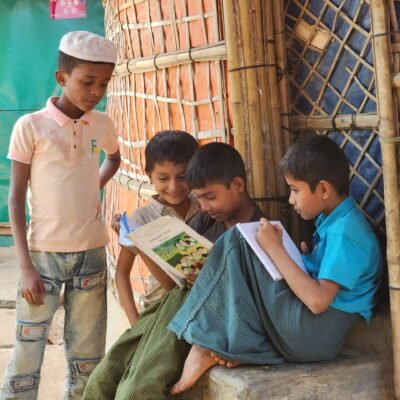
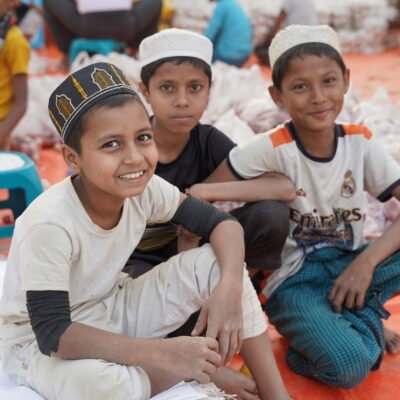
Education is one of the strongest hopes for Rohingya children and young people. Children continue to attend learning centres and pursue education despite the difficult conditions around them.
However, access to higher education, recognized qualifications, vocational opportunities and meaningful livelihoods remains limited.
Young people have skills, ambitions and ideas for their future. Creating opportunities for them is essential to helping the community build a more hopeful future.
Rohingya culture, language, faith, traditions and community relationships remain important parts of life in displacement.
Families continue to observe religious occasions, maintain traditions, teach younger generations and preserve memories of their communities in Myanmar.
For me, documenting these moments is also a way of preserving history. Photographs, stories and memories can help future generations understand where we came from and what our community experienced.
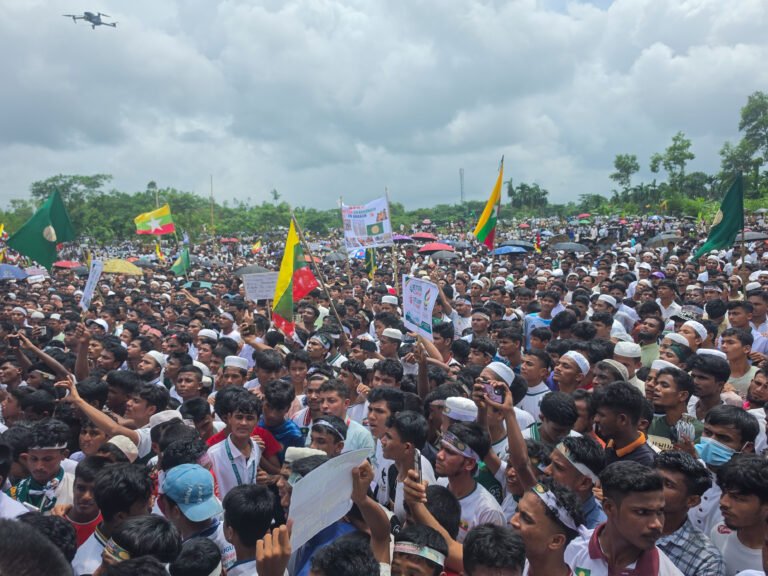
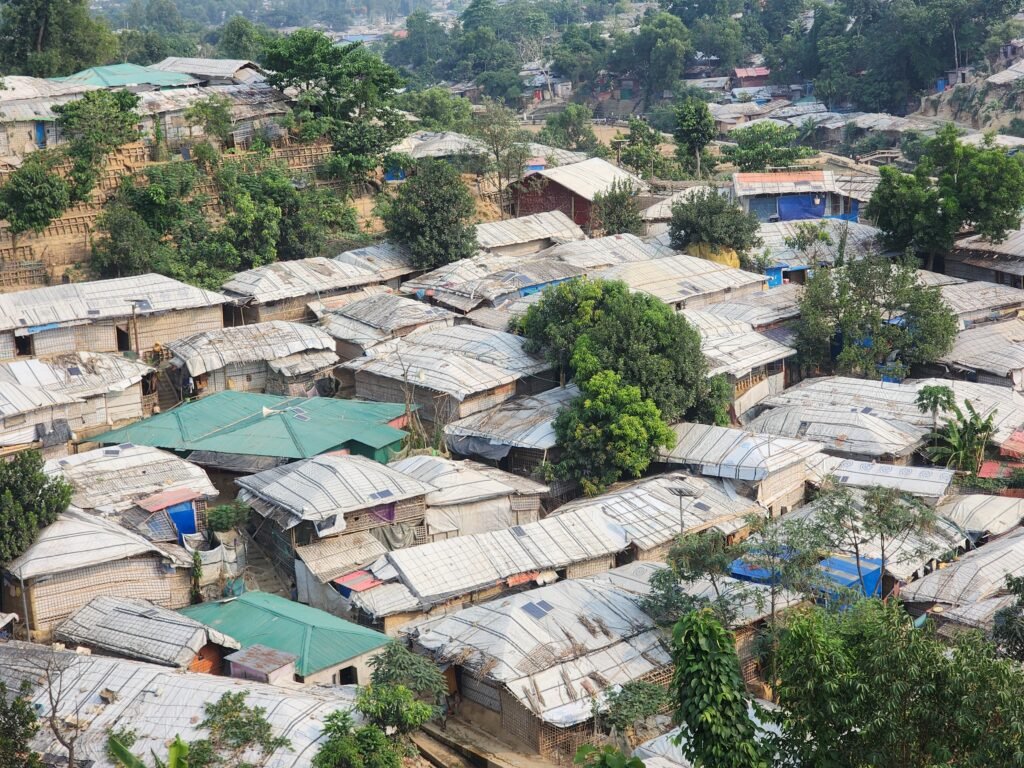
Rohingya refugees continue to face many challenges, including:
For many Rohingya, returning to Myanmar is only possible when conditions allow for safety, dignity, rights and a meaningful guarantee of citizenship and security.
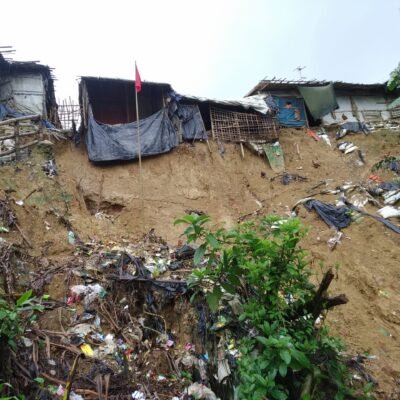
The refugee camps in Cox's Bazar are located in an area vulnerable to heavy rainfall, flooding, landslides, fires and other natural hazards.
Because many families live in temporary shelters on crowded and difficult terrain, disasters can have devastating consequences.
I document these moments to show how environmental emergencies affect families and communities already living with displacement and limited resources.
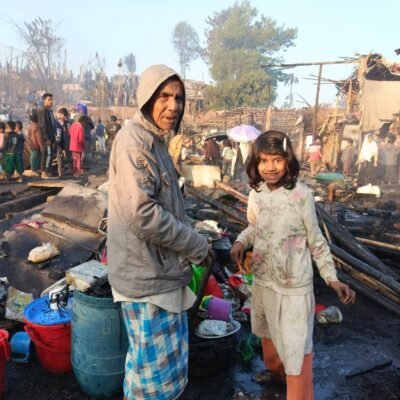
Displacement can take away homes, possessions and familiar places, but stories and memories can help preserve what has been lost.
Through photographs, written stories, interviews and documentation, I hope to contribute to a record of Rohingya life during this period of displacement.
These records are not only for people outside the community. They are also for future generations of Rohingya who deserve to know their history, understand their identity and remember the experiences of their community.
I am open to meaningful collaborations related to photography, visual storytelling, reporting, research, documentary work, education and community-focused projects.