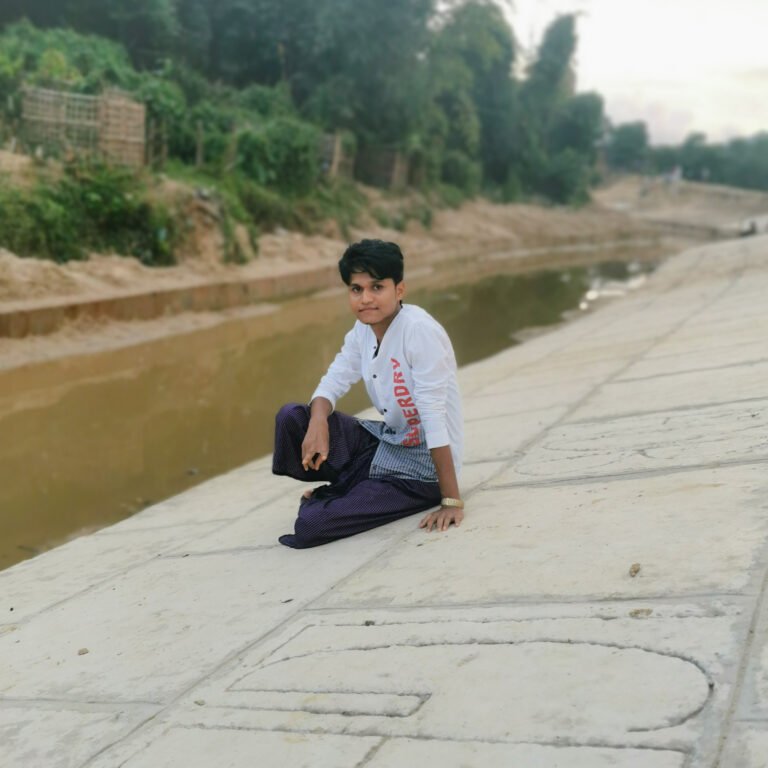
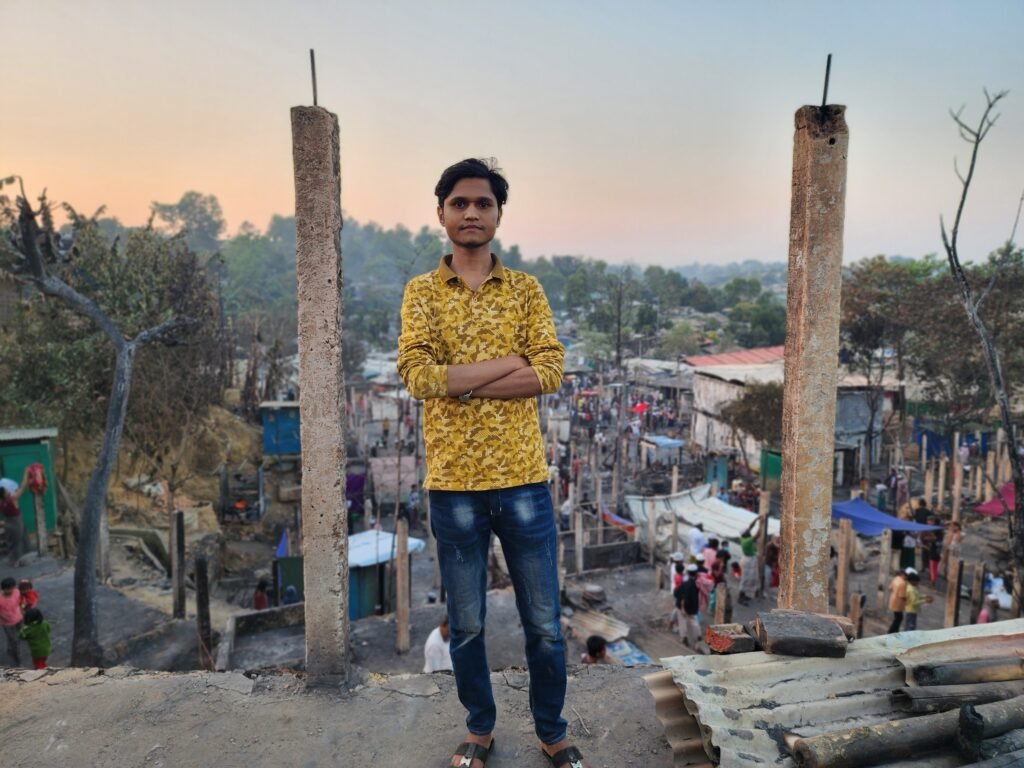
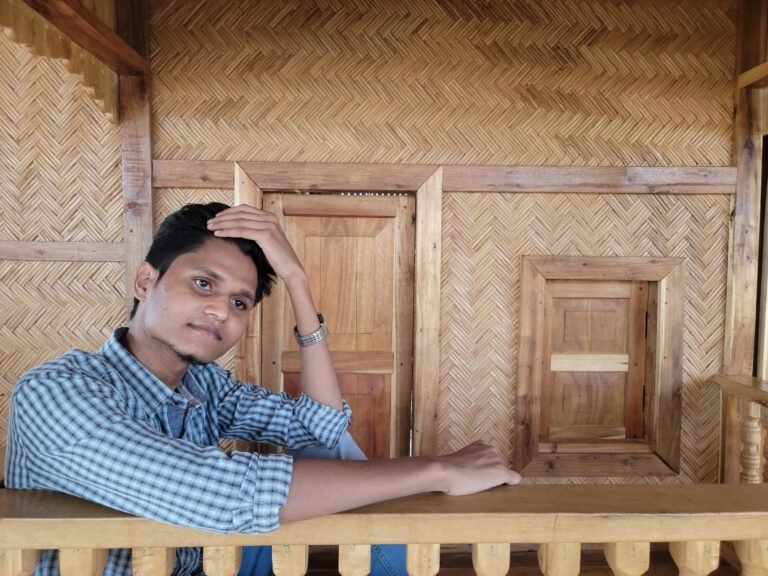
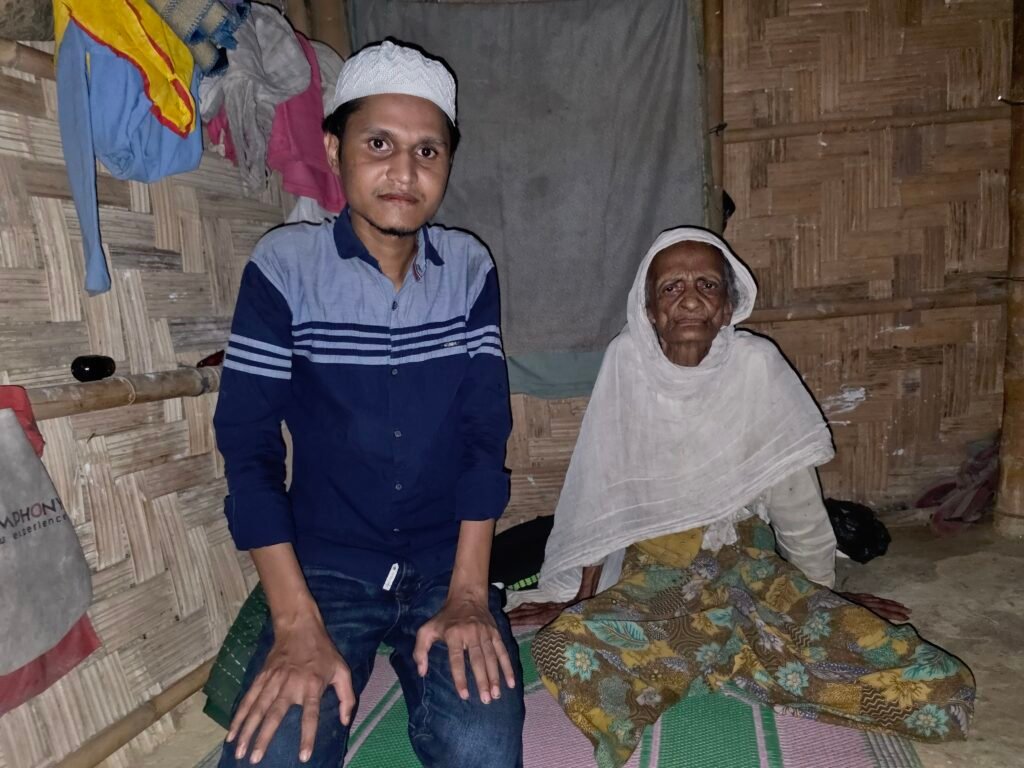
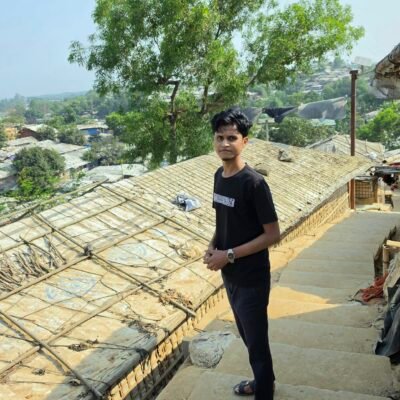
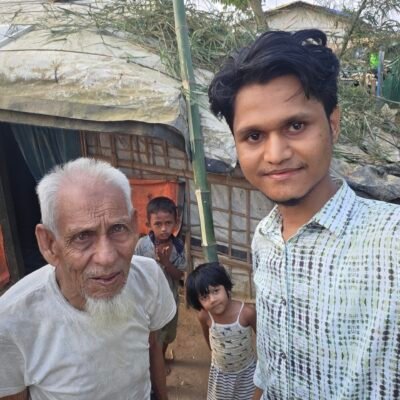
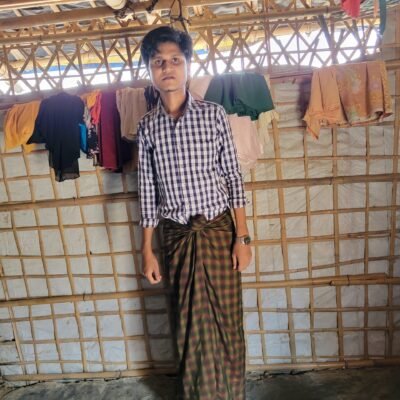
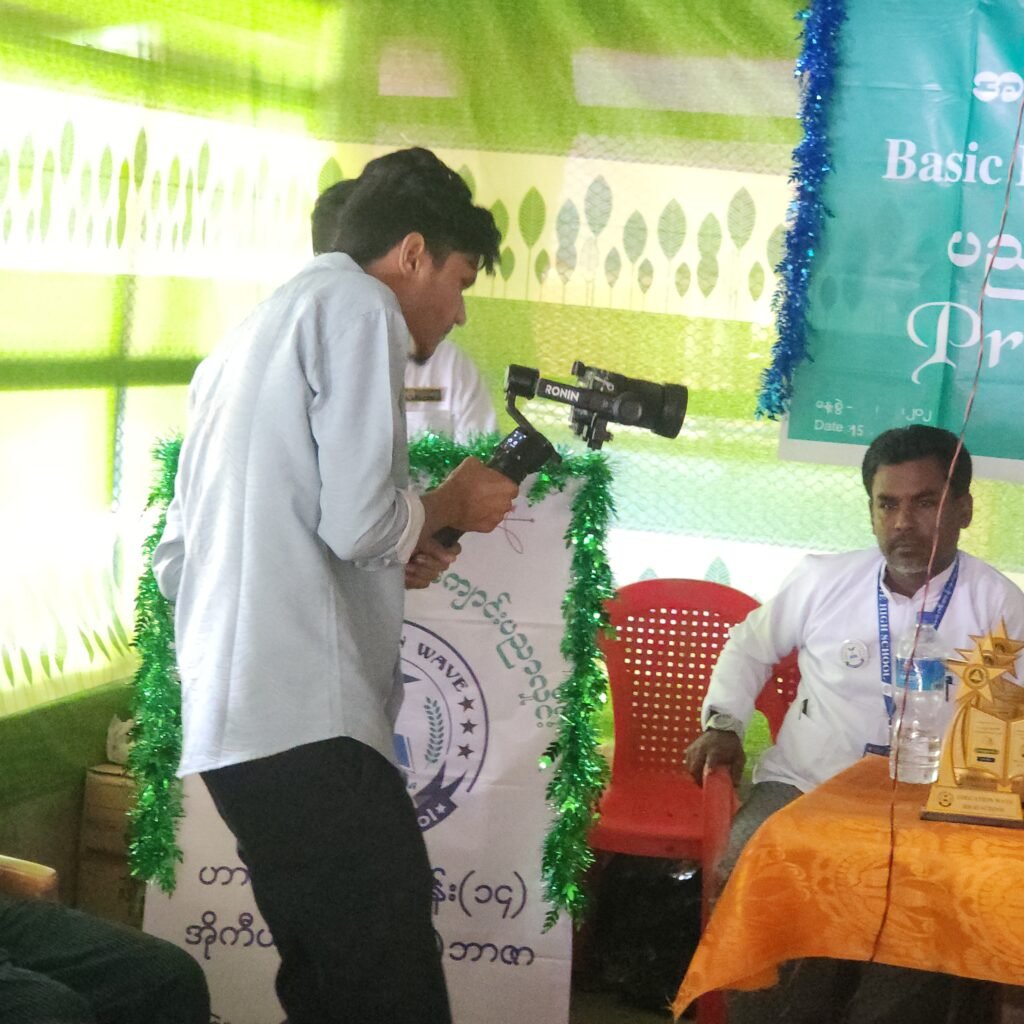
I am Arafat Khan, a Rohingya photographer, visual storyteller, community educator, charity worker, field reporter and researcher.
I am currently based in the refugee camps of Cox’s Bazar, Bangladesh.
My work is closely connected to the community I belong to. Through photography, research, education and storytelling, I document experiences that are important to preserve and share.
I completed my higher secondary education at Kyein Chaung High School in Maungdaw Township in 2015.
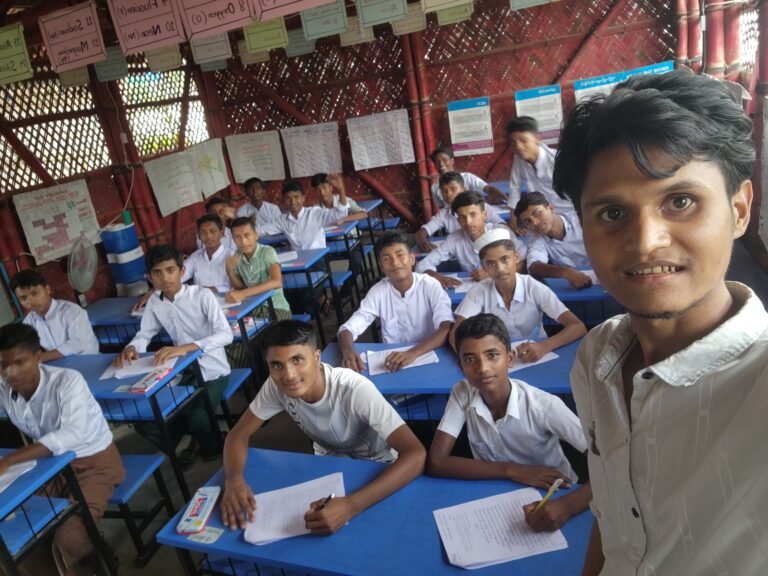
Education has remained an important part of my life. Today, I also work as an educator, supporting Rohingya students and contributing to their learning and development.
In 2017, I was forced to leave Myanmar because of violence and military operations against the Rohingya community.
The journey to Bangladesh was difficult and dangerous. I walked for many days through paddy fields and jungles and travelled through dangerous areas near the Bangladesh–Myanmar border.
Eventually, I reached Bangladesh together with other Rohingya families seeking safety.
I grew up in Maungdaw surrounded by family, neighbours, school and community life.
I remember village life, childhood experiences, education and the everyday relationships that connected people.
Displacement changed where I live, but it did not erase where I come from.
Photography and storytelling have become ways for me to preserve memories and maintain a connection with my history, culture and identity.
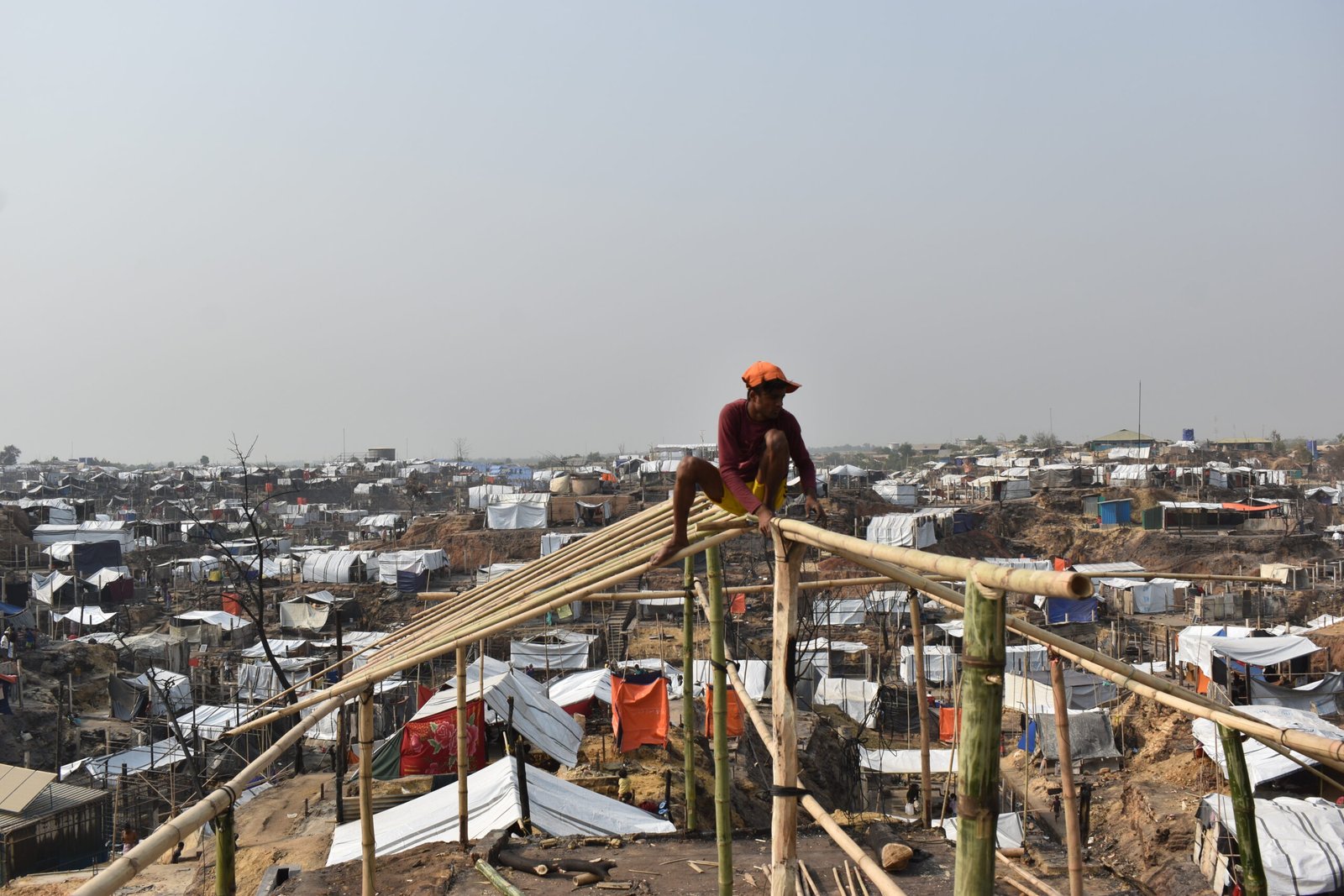
After arriving in Bangladesh, I became part of the Rohingya refugee community in Cox’s Bazar.
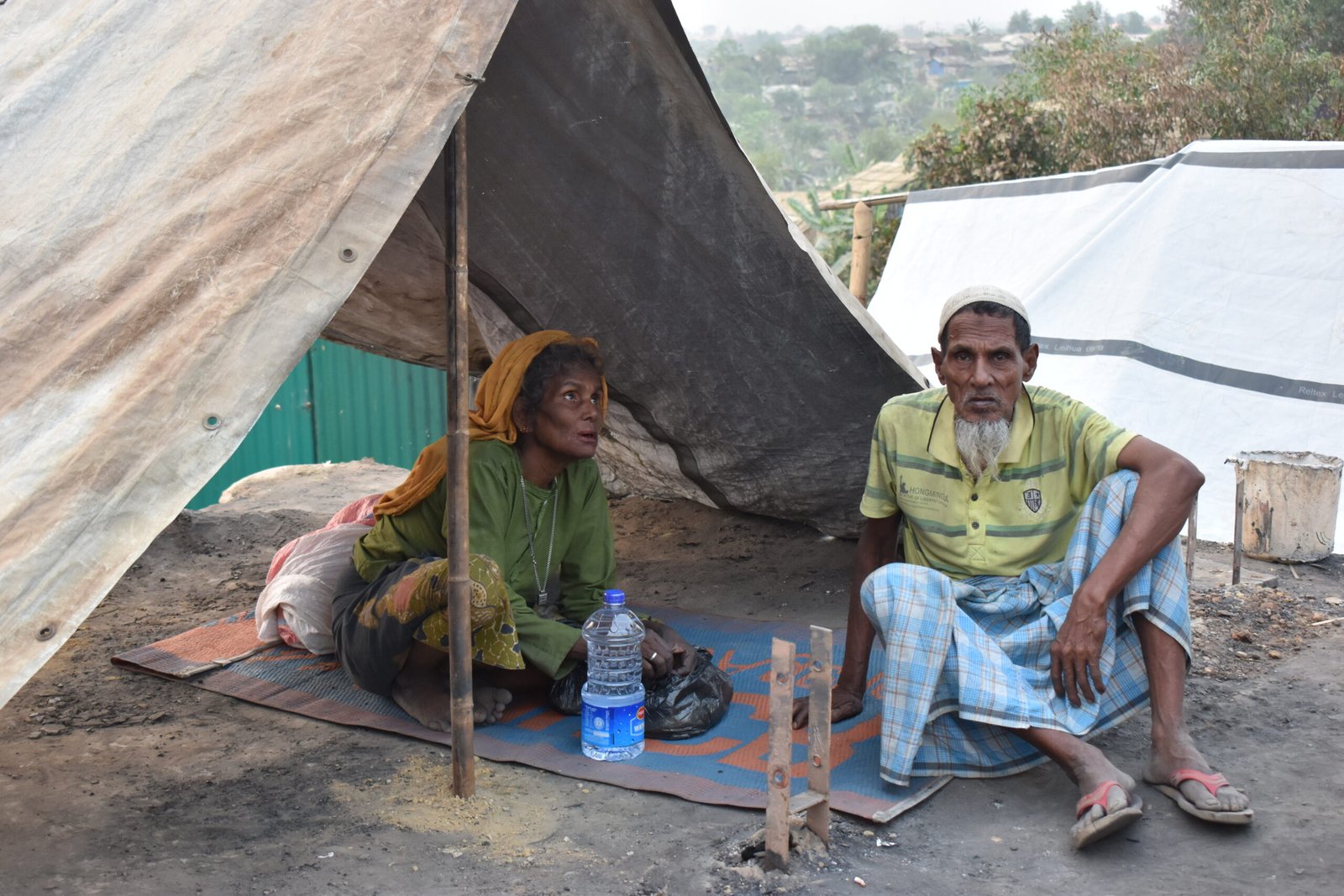
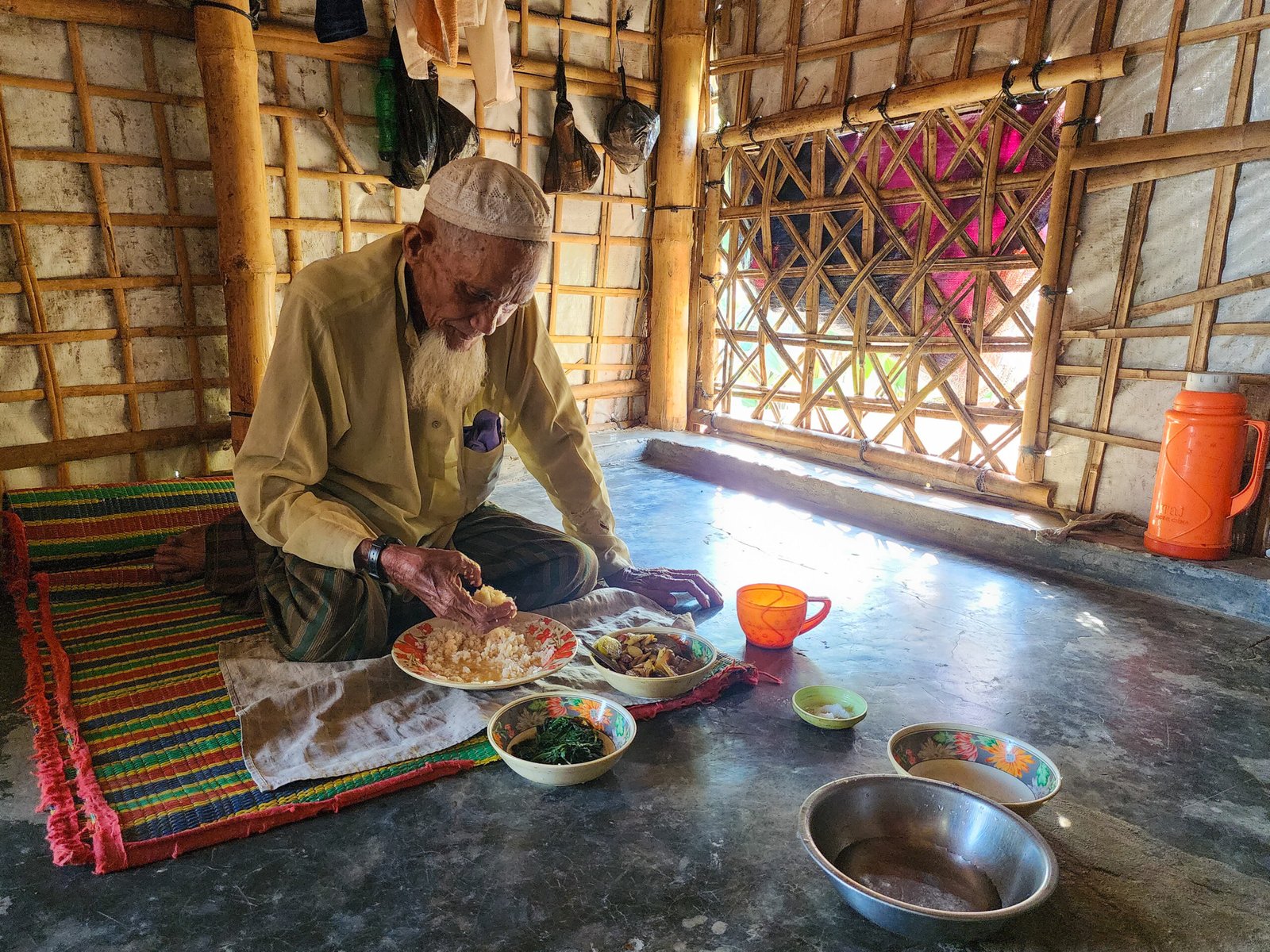
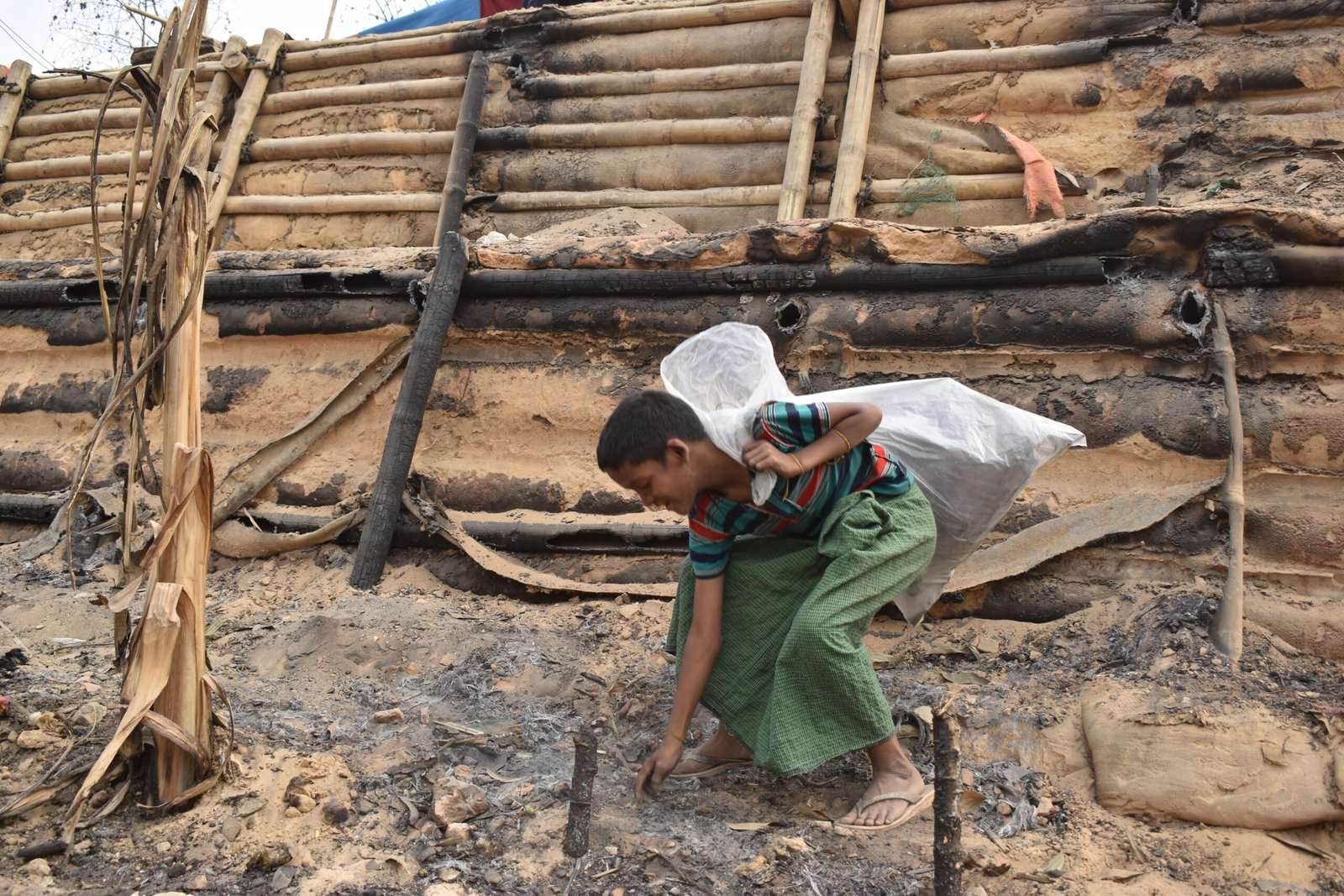
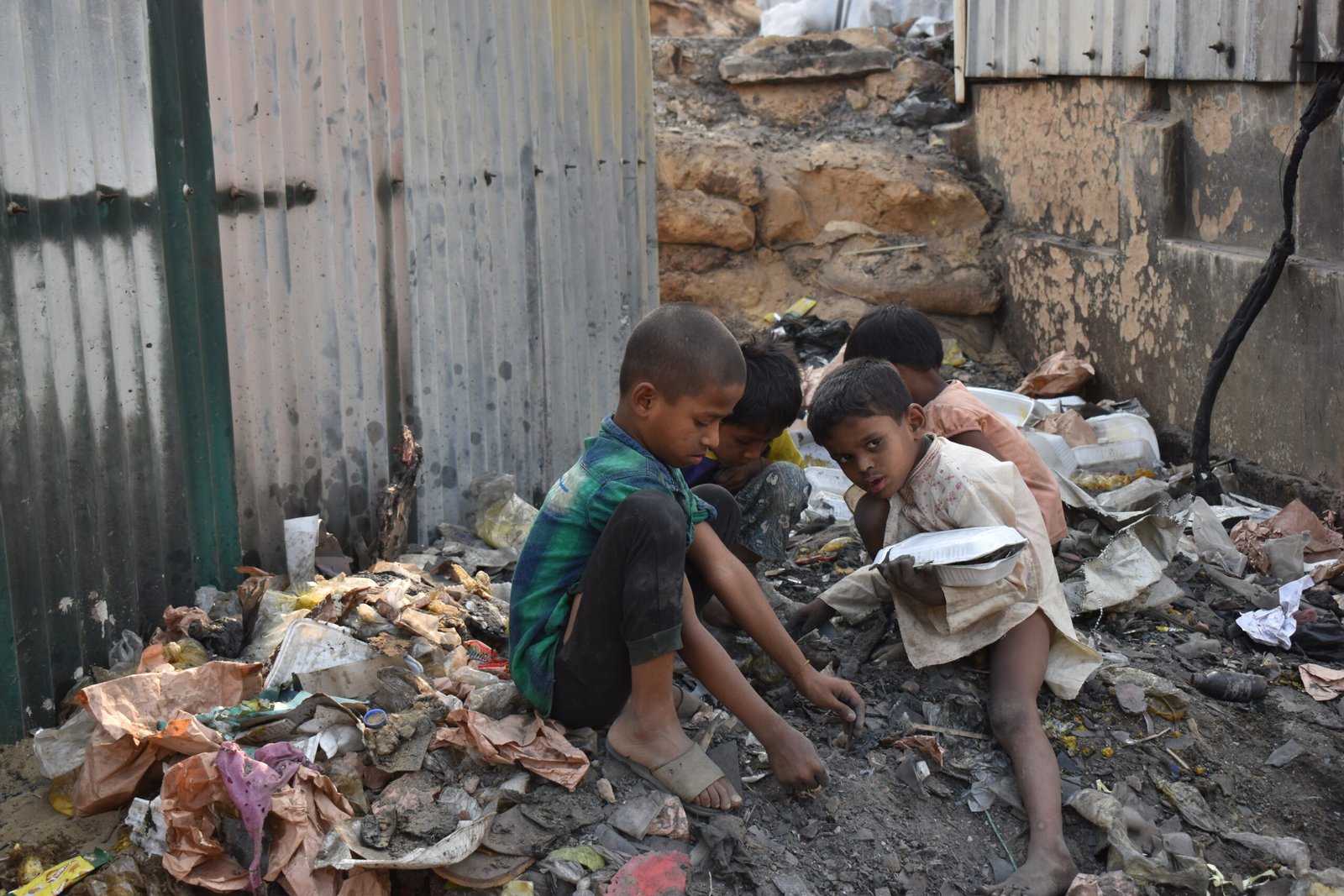
Refugee life comes with many challenges, including limited access to higher education, resources and opportunities.
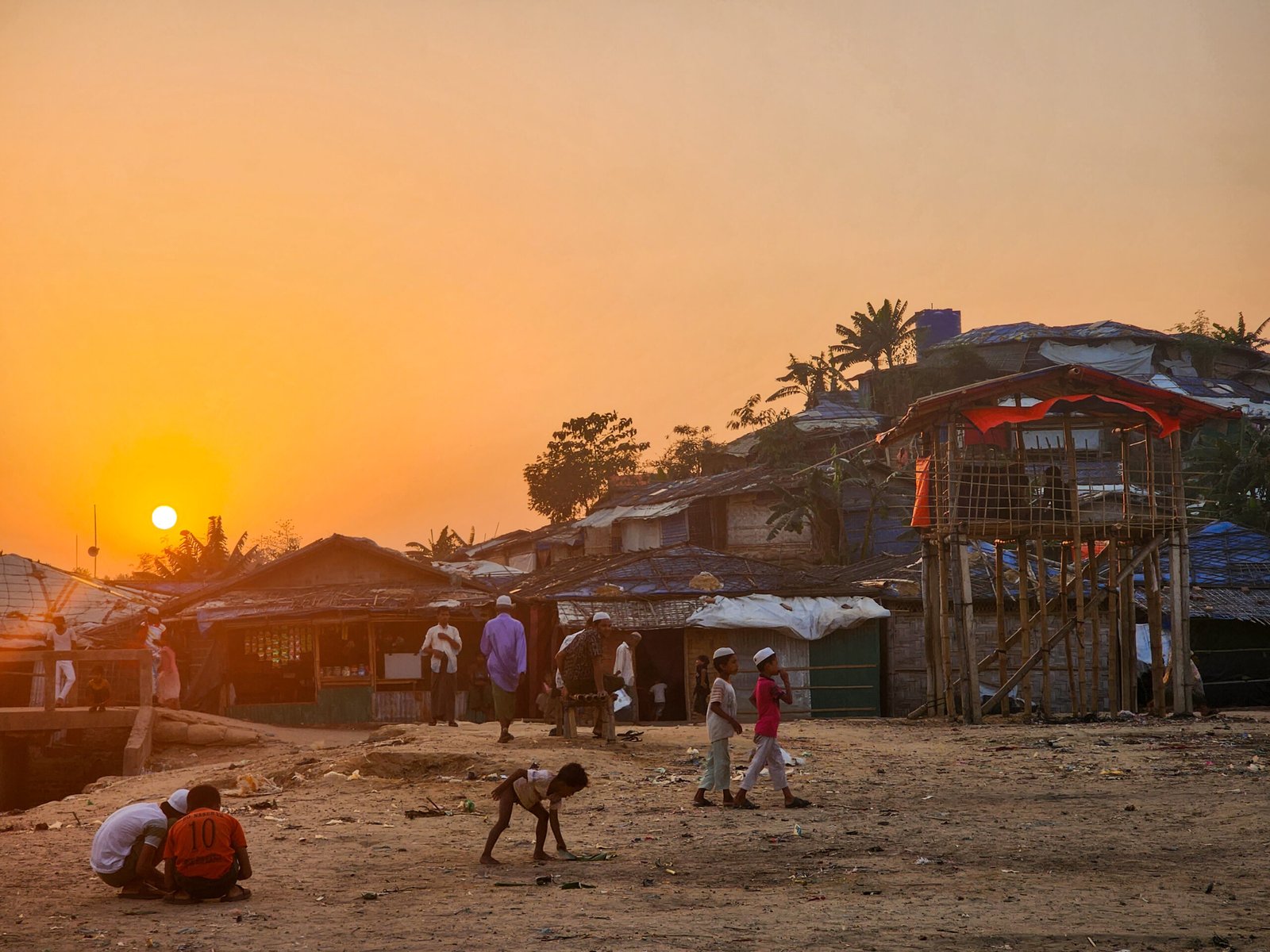
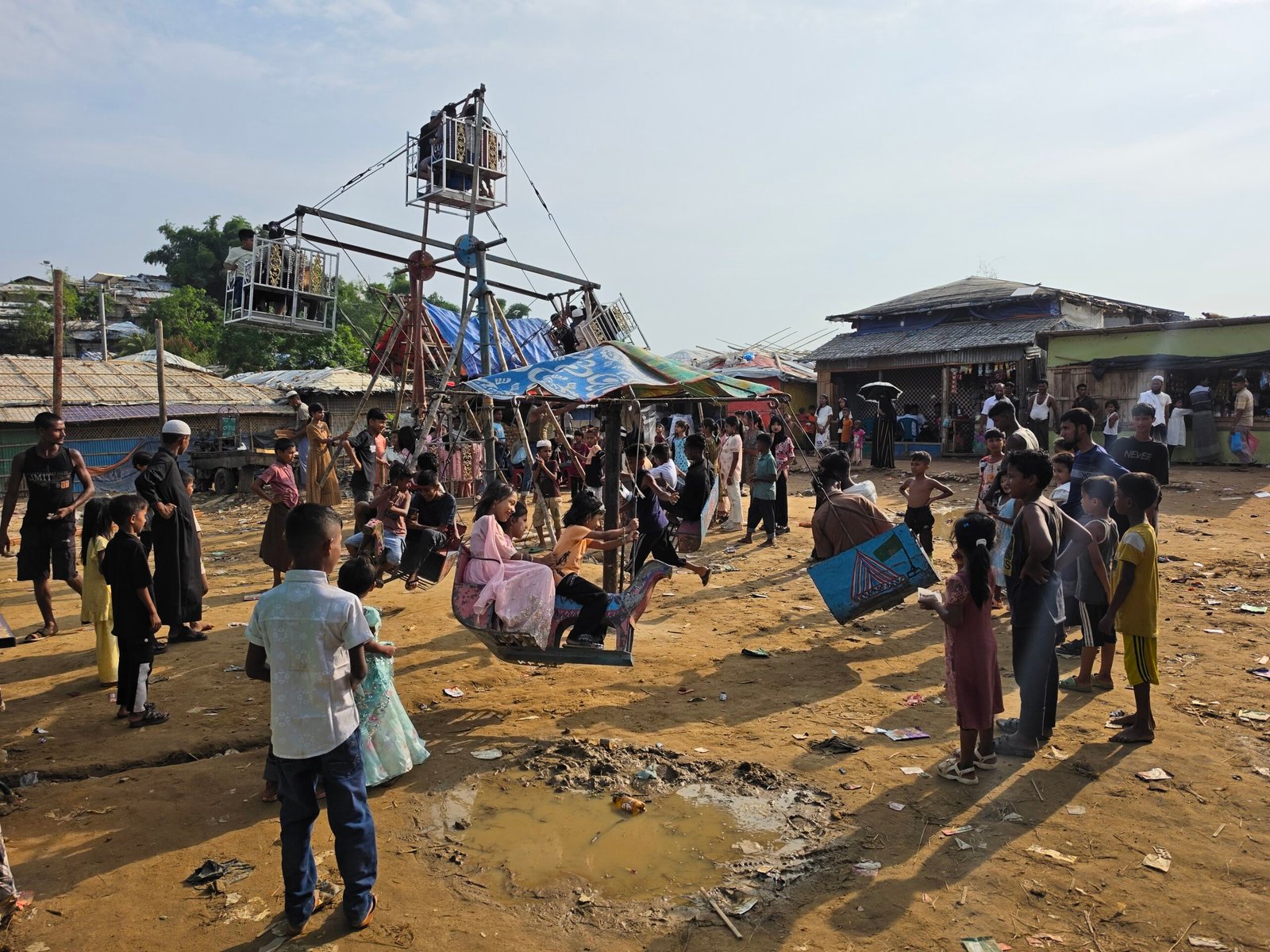
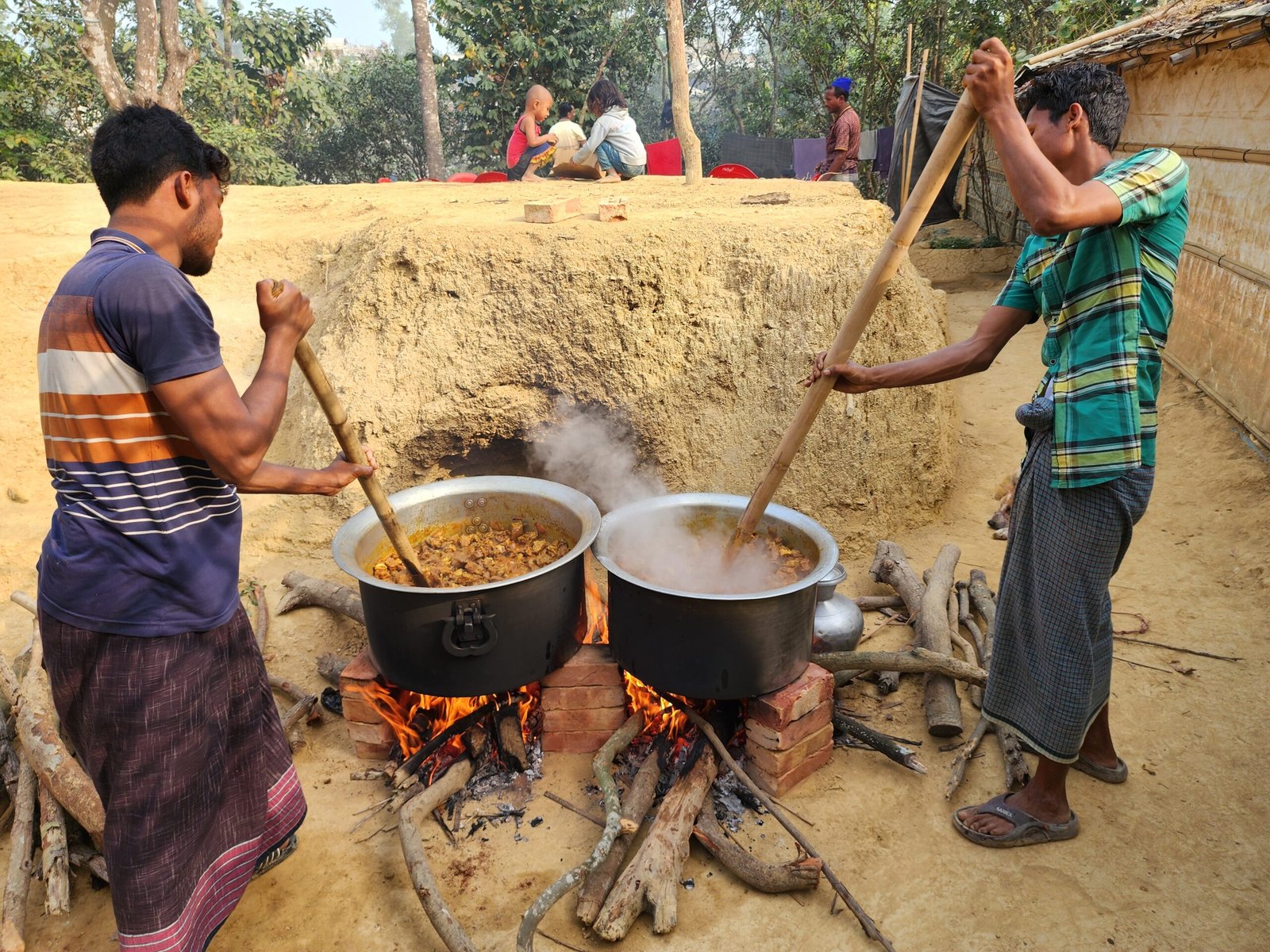
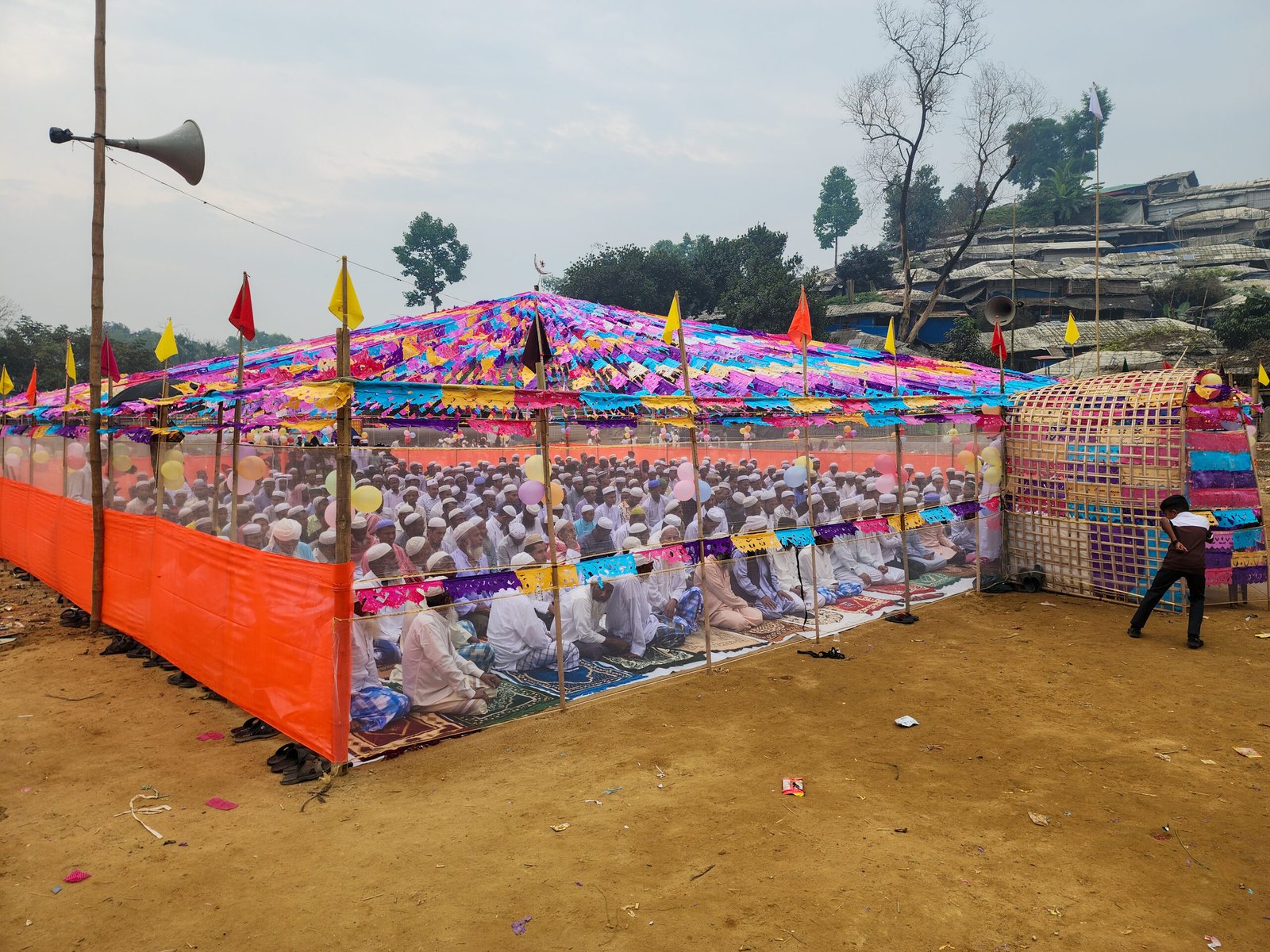
But life in the camps is also filled with family, friendship, education, religious life, community activities and hope.

I began photography in 2018 with a basic smartphone.
I did not receive formal photography training. Instead, I learned through practice, online resources, mentors and fellow photographers.
Over time, photography became more than a personal interest. It became a way to document my community and communicate stories from within.
In 2023, I joined Rohingyatographer and began working alongside Rohingya photographers, artists, journalists and storytellers.
This experience strengthened my commitment to visual storytelling and helped me share Rohingya experiences with wider audiences.
I tell stories because displacement can make people and their experiences disappear from public memory.
I want to document the lives of people around me — their challenges, culture, education, family life, faith, dreams and resilience.
I also believe future generations should be able to see and understand what their communities experienced.
Being displaced is part of my story, but it does not define everything I am.
I am a photographer, teacher, researcher, storyteller, community worker and member of a community with its own history, culture and identity.
My work is one way of showing that Rohingya people are not only victims of a crisis. We are people with knowledge, skills, creativity, dignity and dreams.
Photography, writing and oral history can help preserve memories that might otherwise disappear.
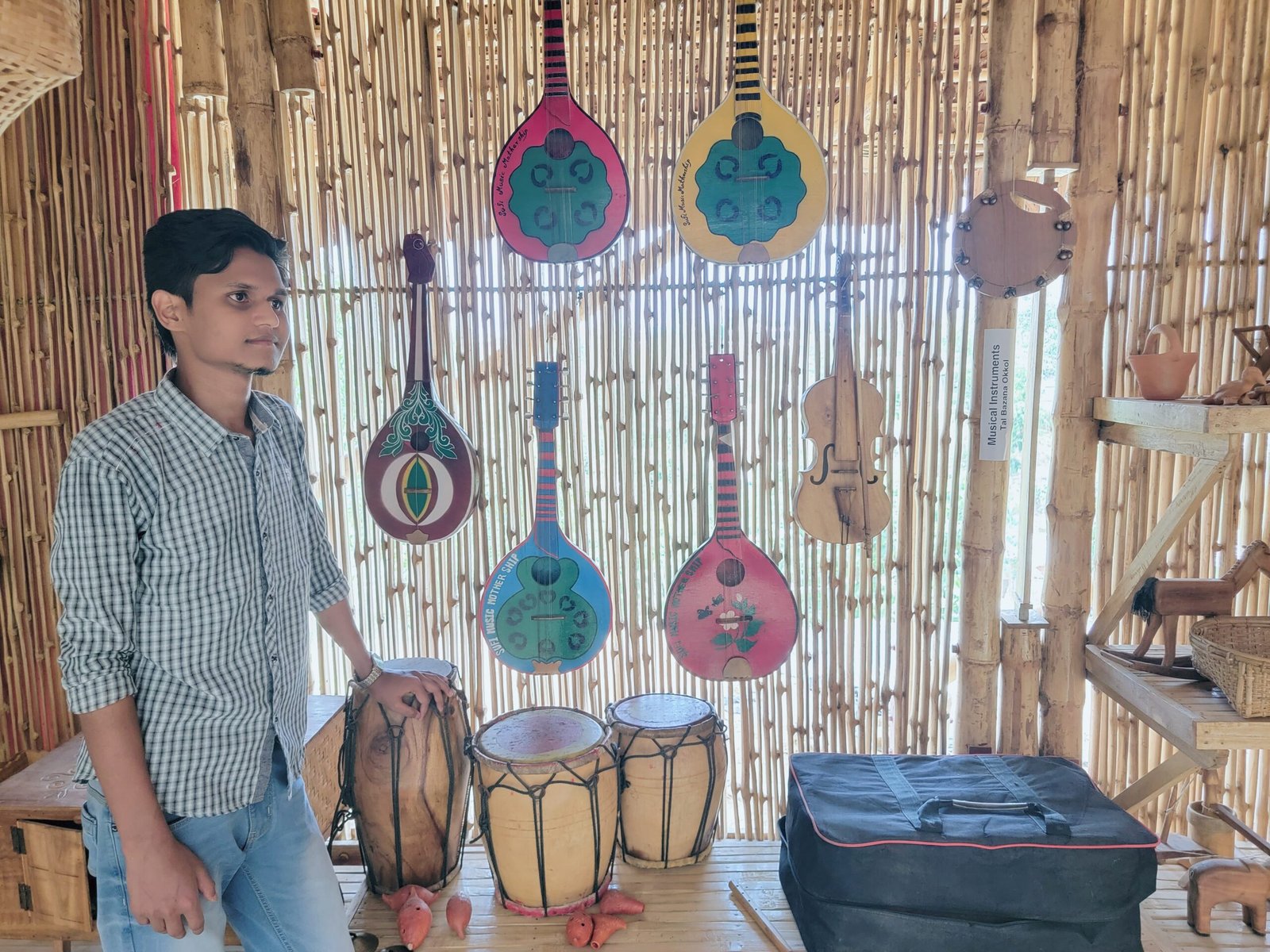
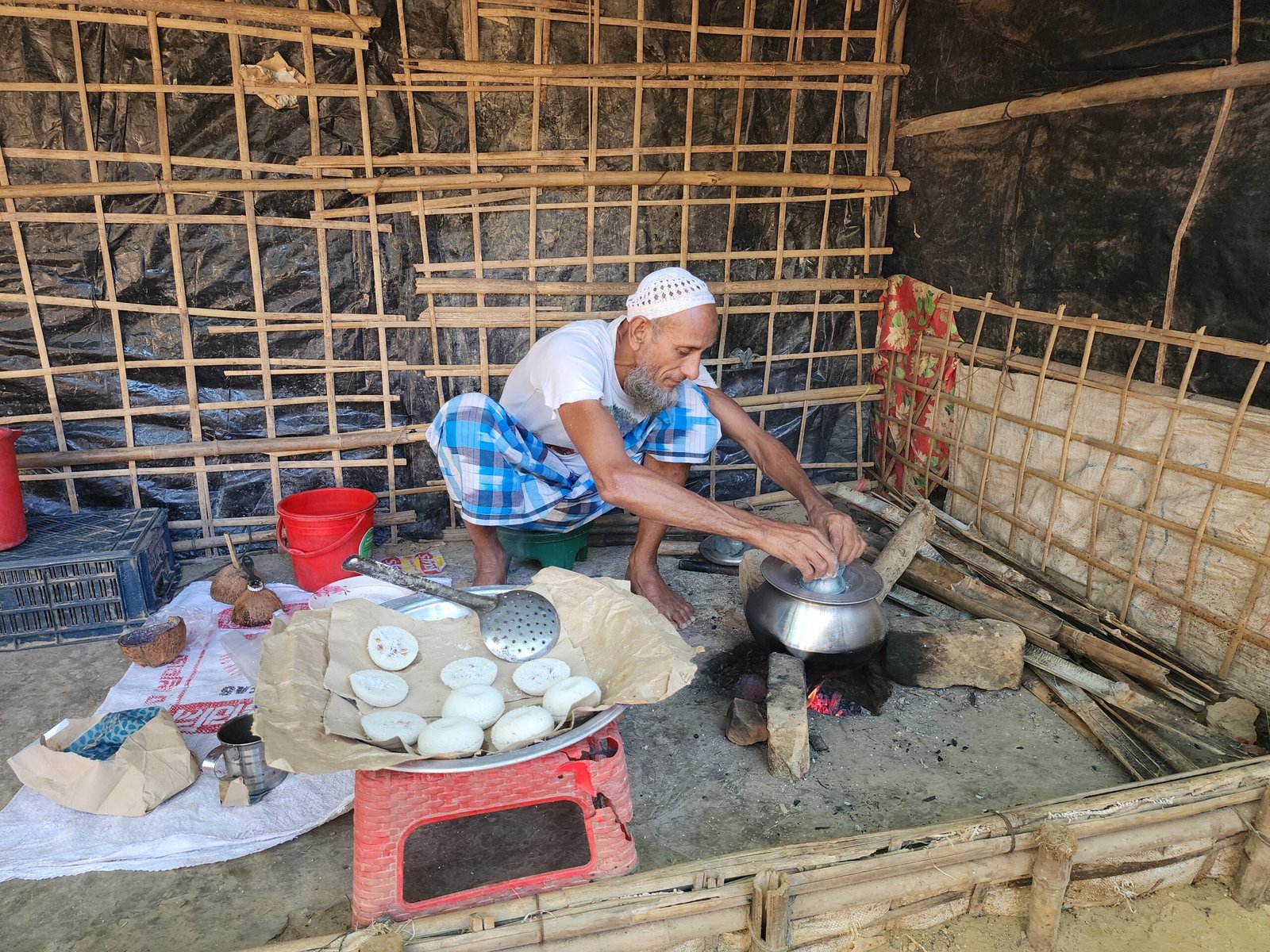
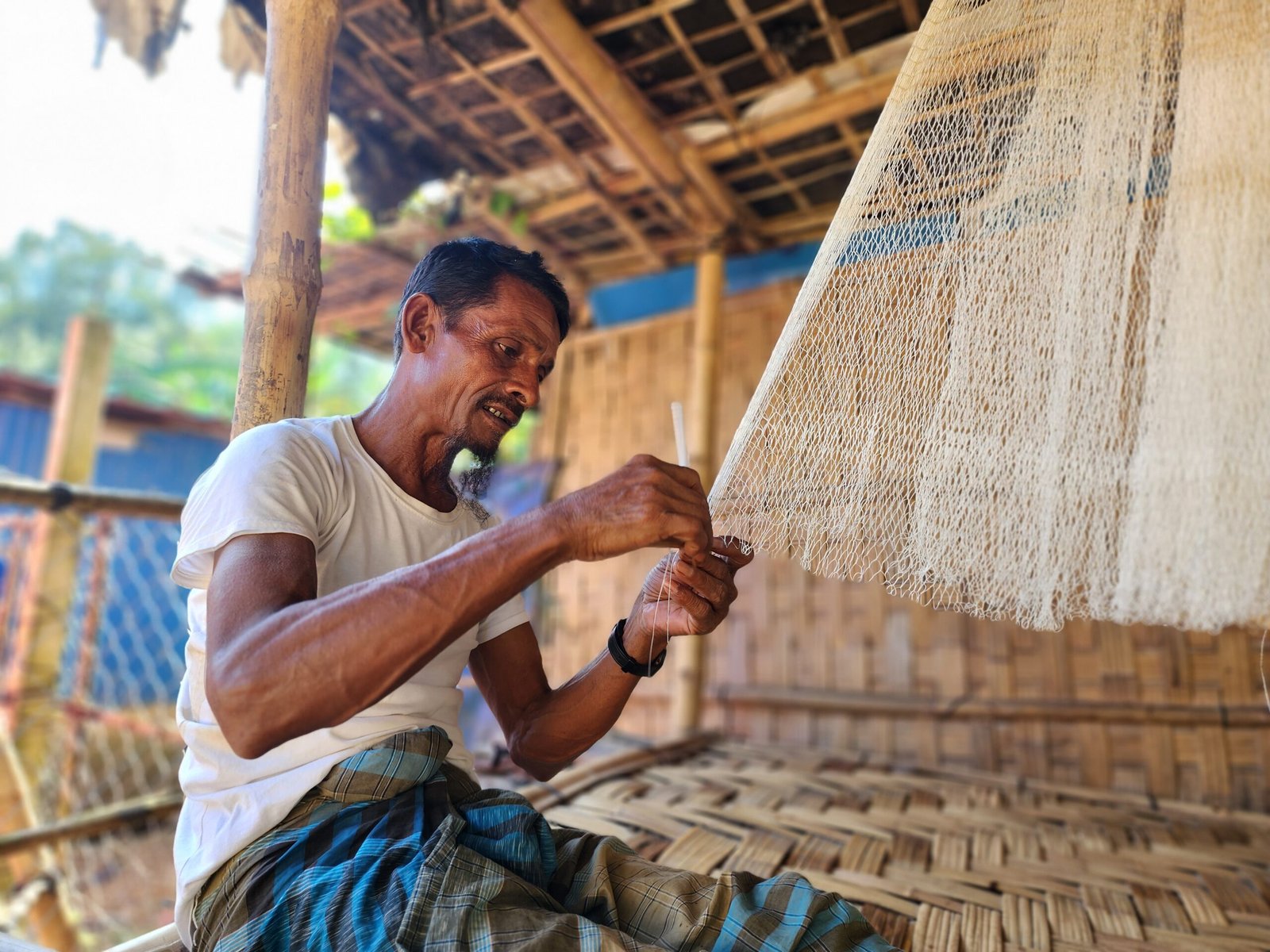
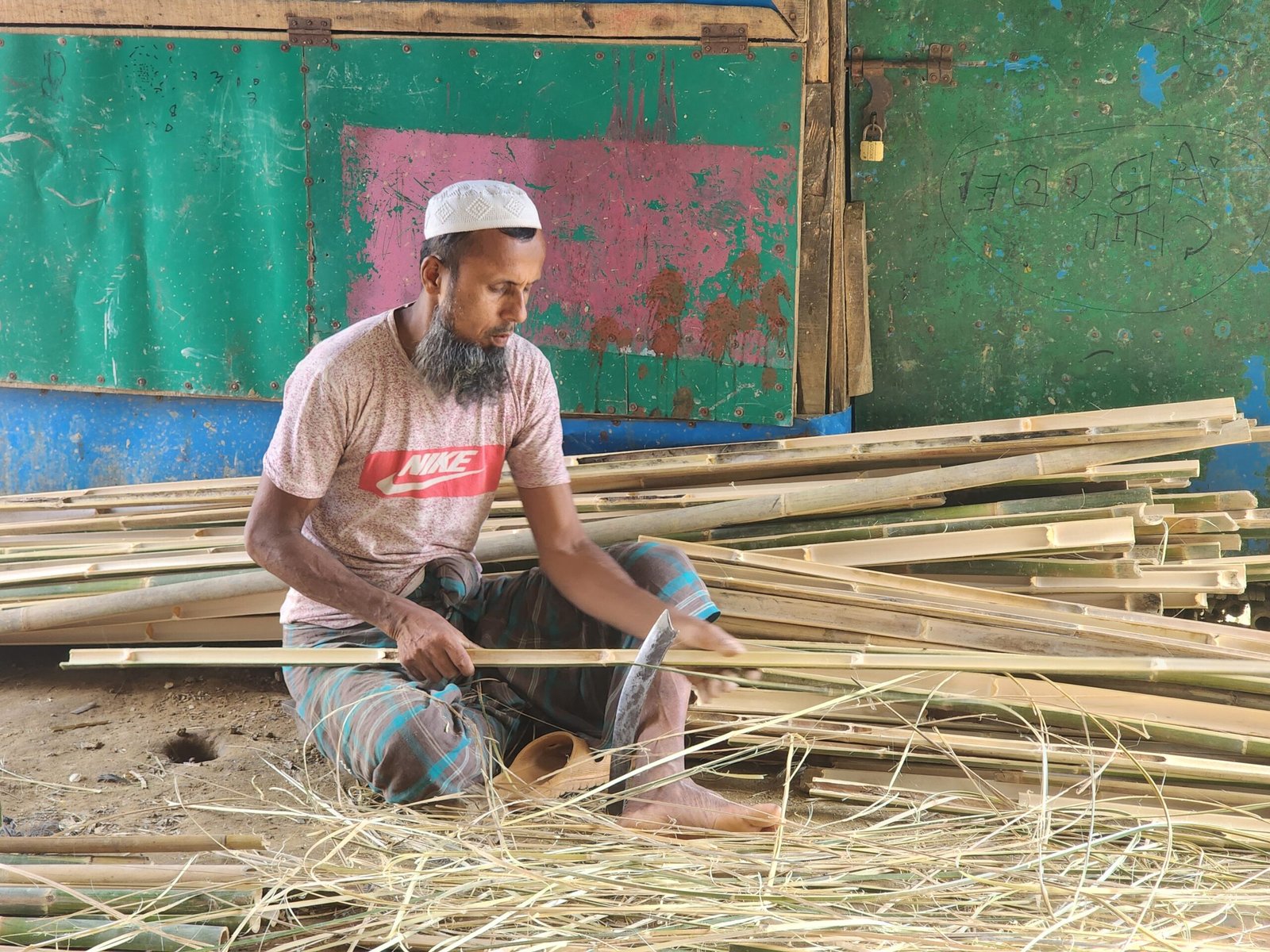
I document religious traditions, cultural practices, family life, community activities, children and everyday moments.
I hope these records can help younger generations understand their history, language, culture and identity.